Experience South Africa with the Kids!
A Family Safari Conservation Adventure in South Africa – Connecting young people to Nature.
LET THEM BE WILD
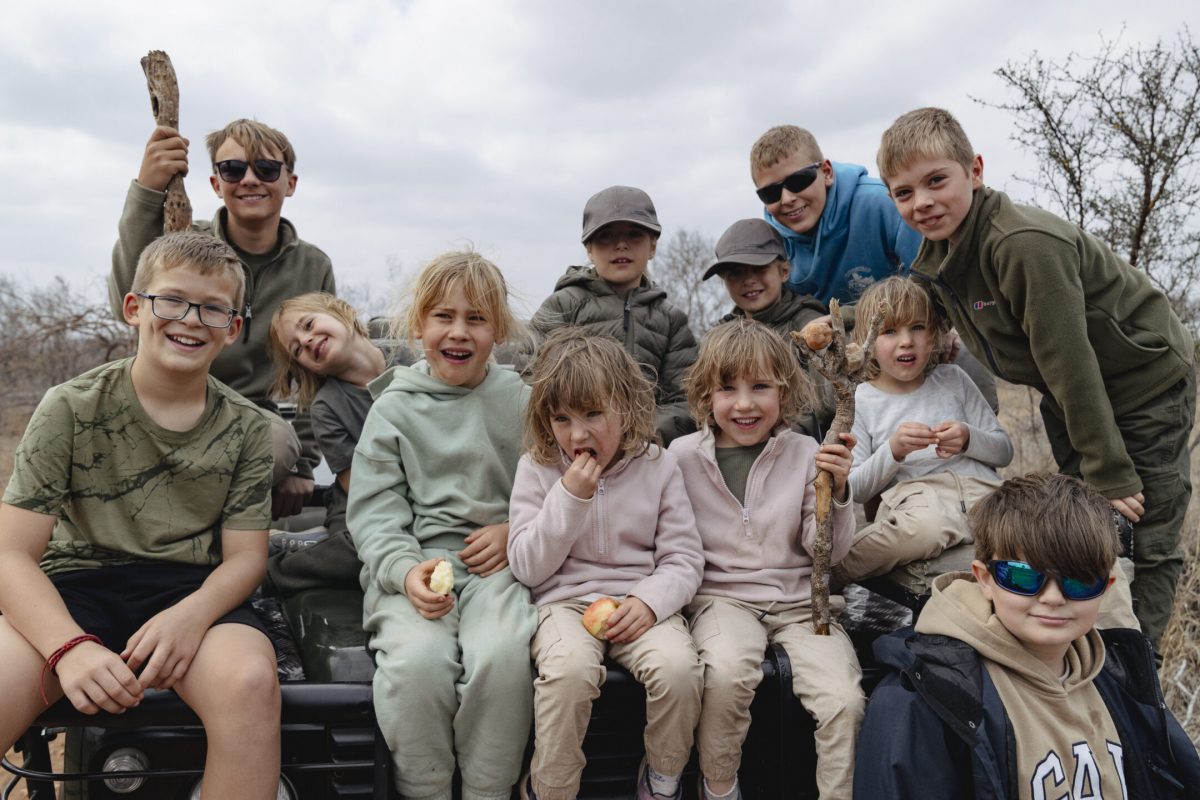
Come with us on an unforgettable family adventure into the heart of South Africa – where incredible wildlife, wild landscapes and a passion for conservation come together. This is far more than a safari. This adventure connects young people to the natural world. Children protect what they love, and they are more likely to love nature if they experience it personally when they are young.
Over ten days, families will journey from the vast wilderness of Kruger National Park, to the world of orphaned rhinos at Care for Wild, before stepping behind the scenes of wildlife conservation and veterinary work.
There will be early mornings in the bush, evenings beneath African skies, unforgettable encounters with wildlife and opportunities to meet the people working every day to protect it.
Most importantly, it is an adventure designed to spark curiosity. To ask questions. To look closer. And perhaps to see the natural world a little differently when we return home.
This immersive experience blends adventure, conservation, and culture into an exceptional ten-day journey you’ll never forget!
Trip Highlights
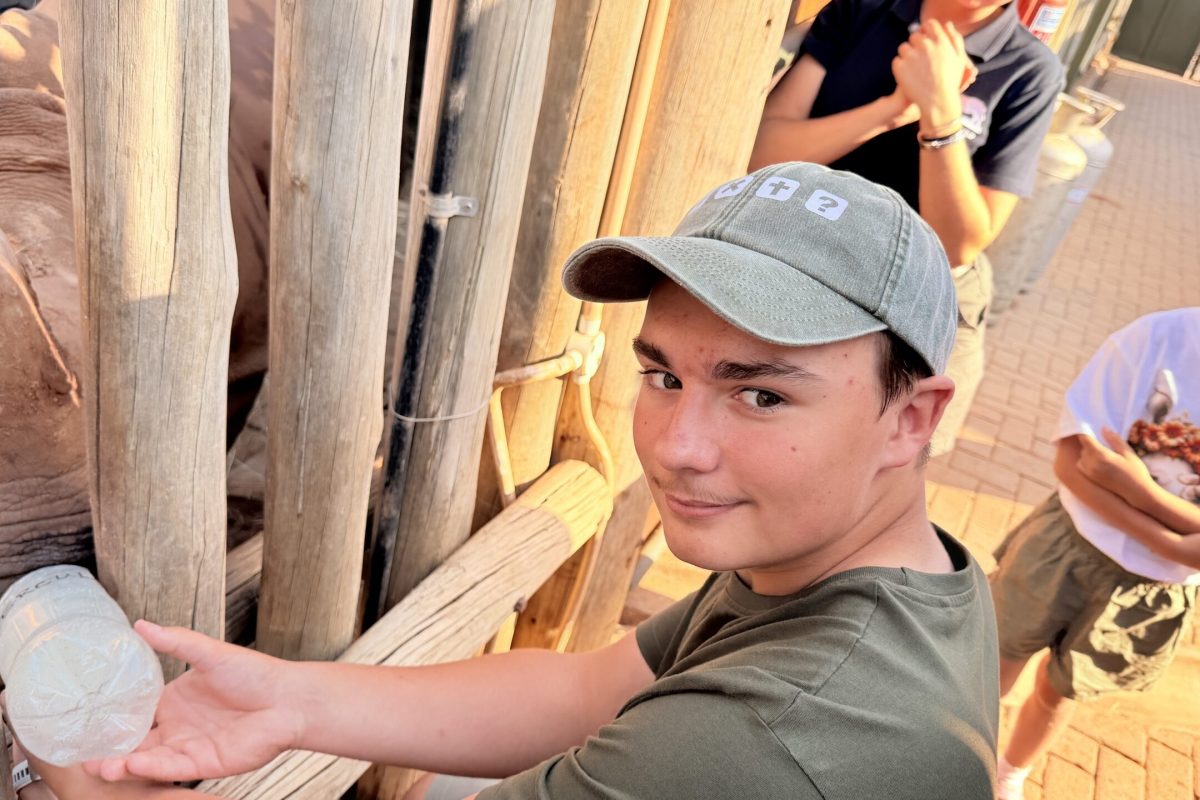
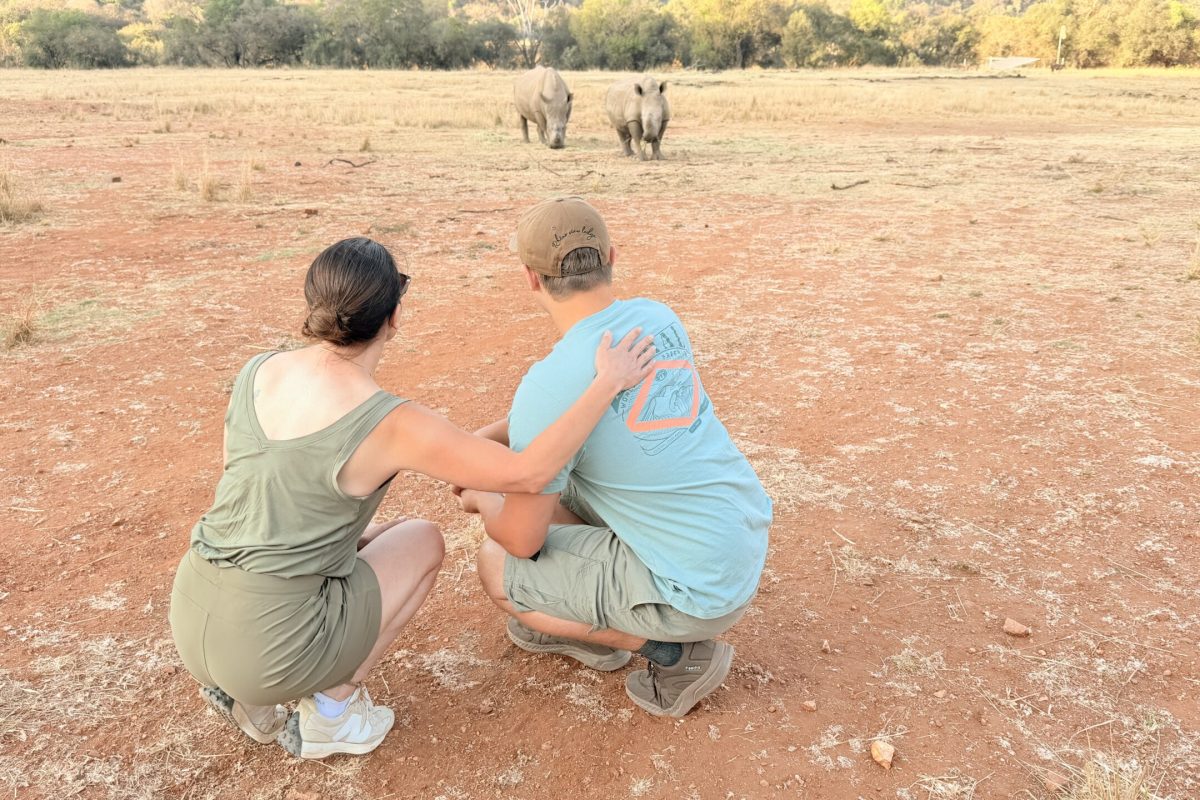
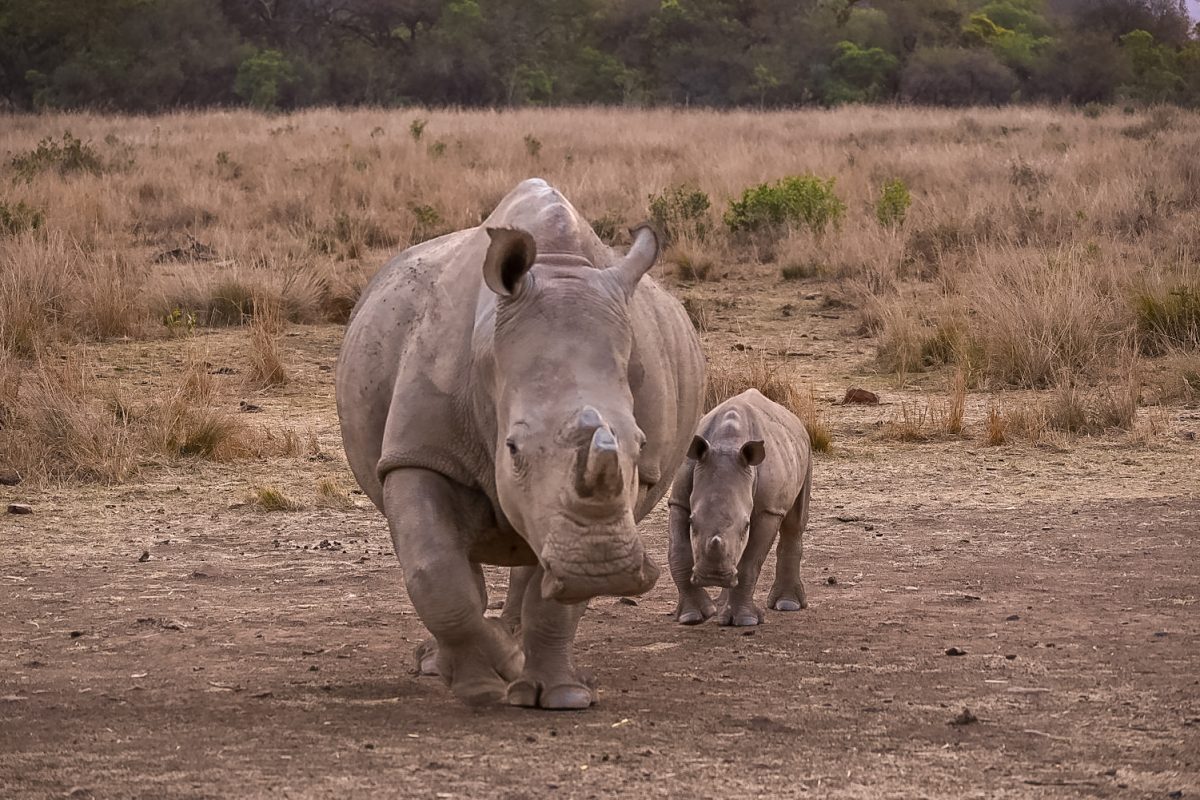
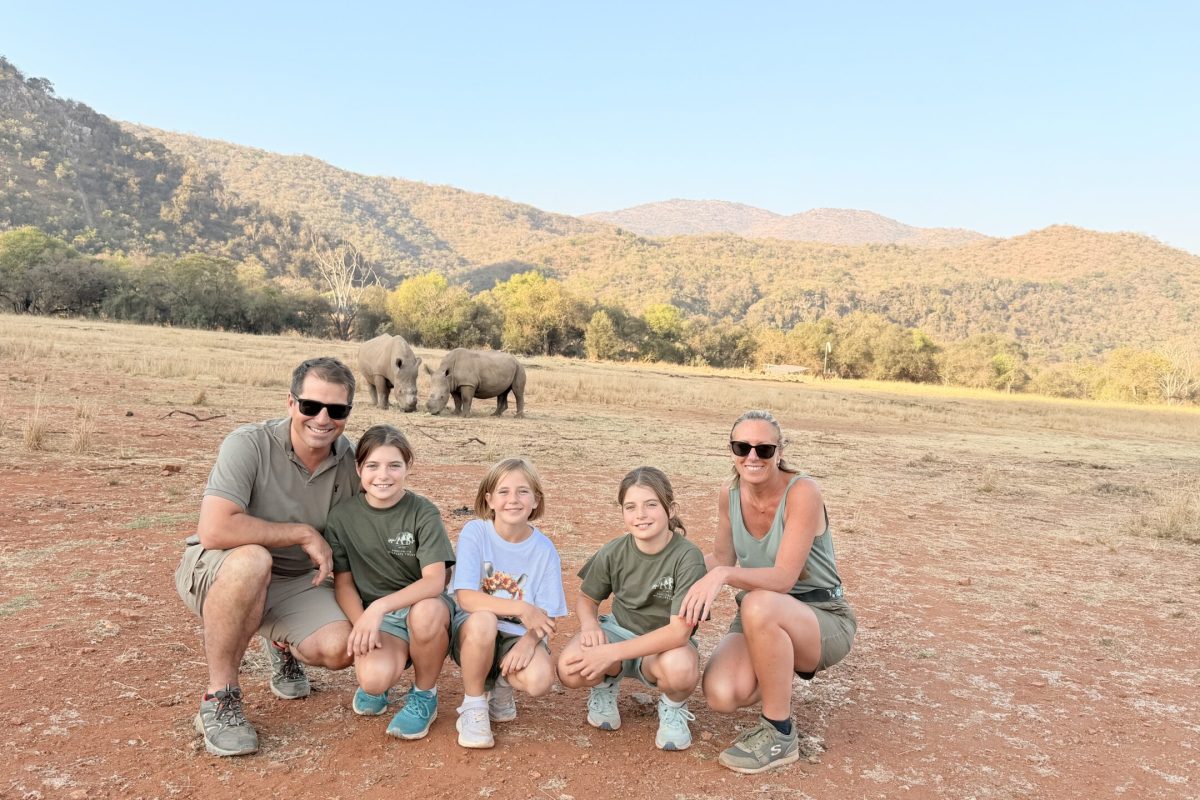
Get closer to the story of rhino conservation at Care for Wild, meeting young rhinos and discovering the people and care behind their rehabilitation. This sanctuary is closed to the public.
Track animals by reading footprints, dung, broken branches, alarm calls and other clues left behind in the bush.
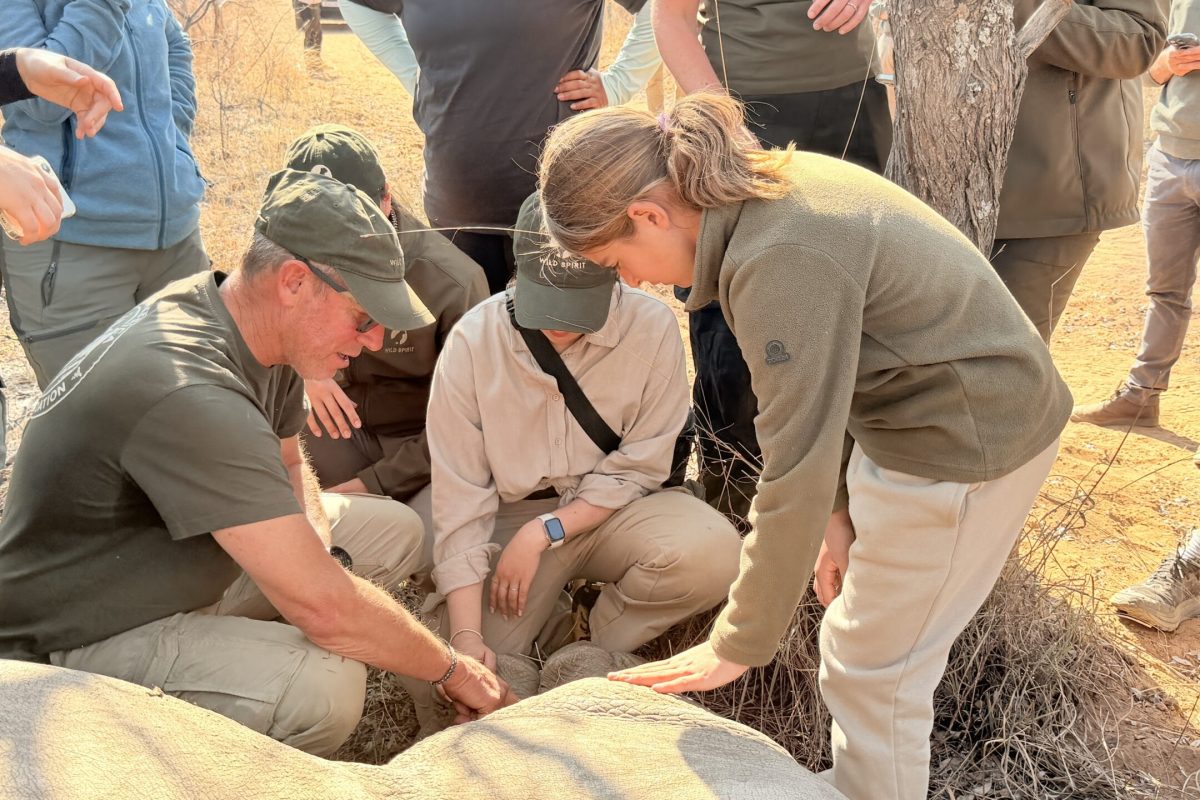
Join the Wildlife Team and a skilled wildlife veterinarian exclusively in the field, with the possibility of seeing real veterinary work, monitoring vital signs and learning how wildlife health is assessed.
Discover what happens beyond the safari vehicle – from daily rhino care and rehabilitation to tracking, monitoring and veterinary decisions.
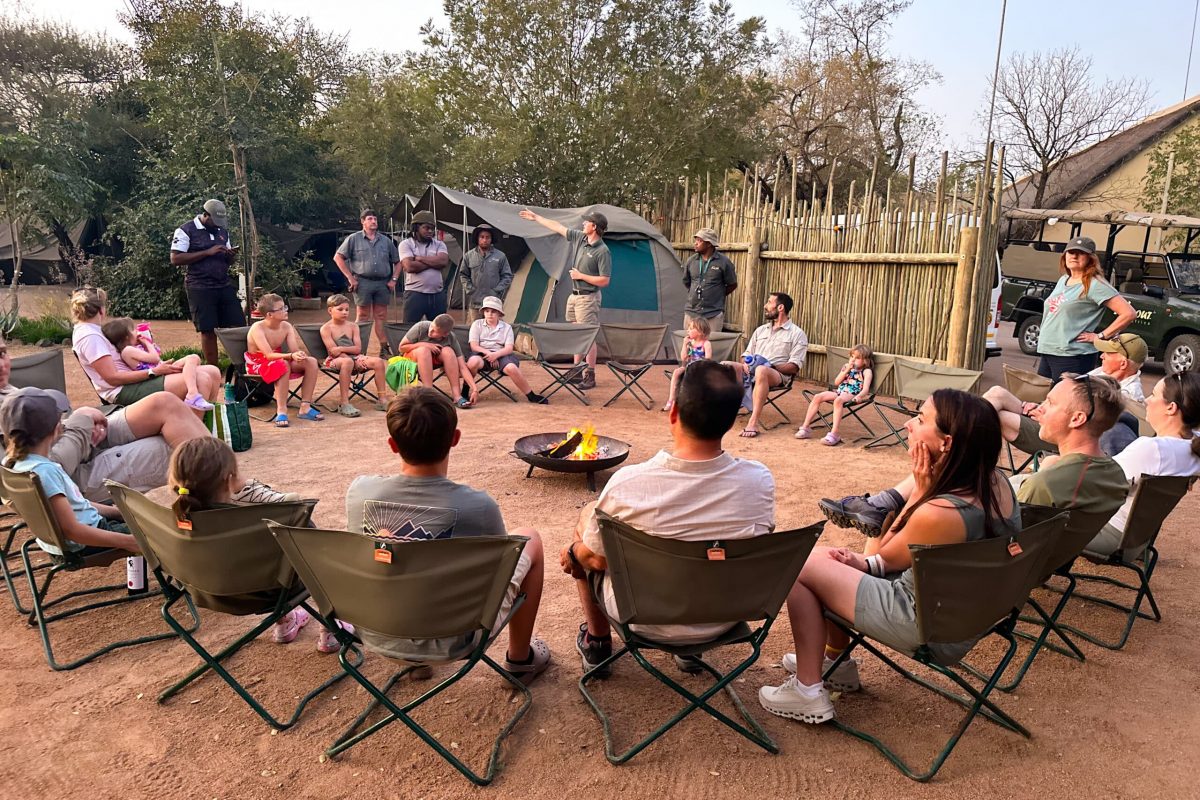
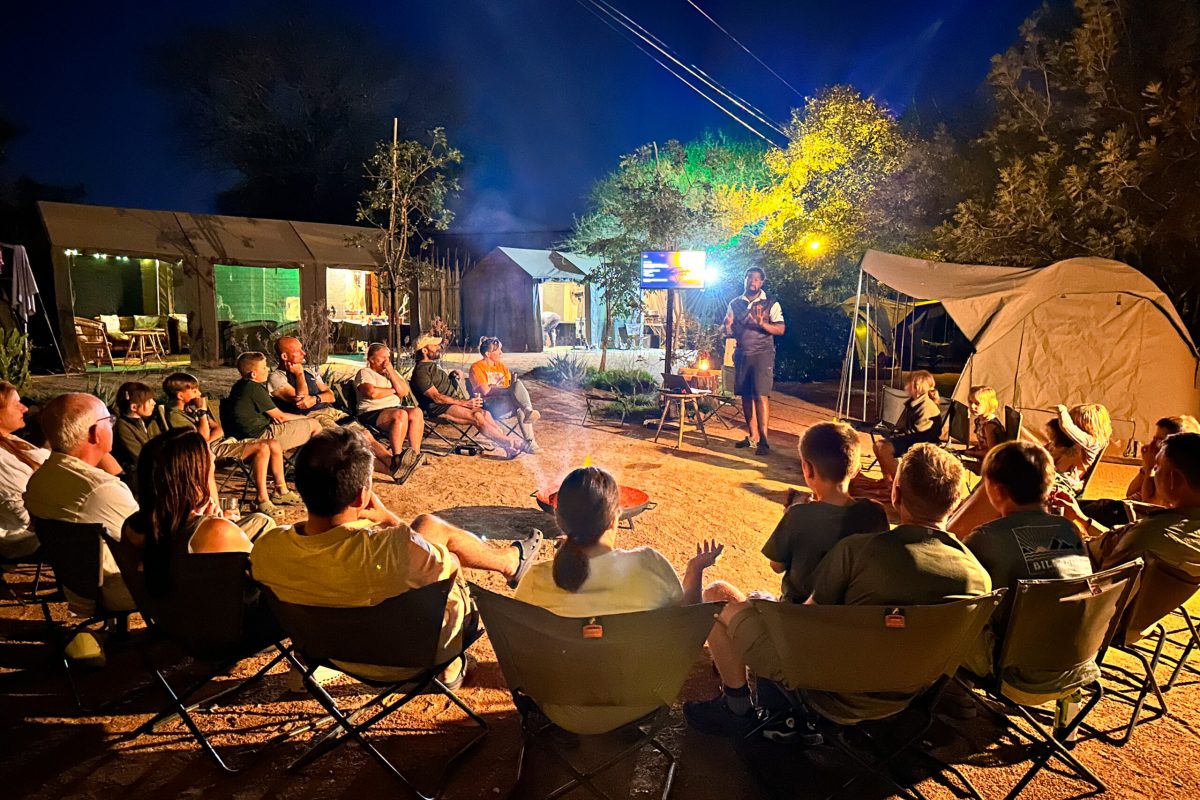
Spend your first nights in authentic catered camping in Kruger, with dinner around the fire, s’mores under the stars and the sounds of the wilderness outside your tent.
Early mornings and late afternoons are when the bush comes alive. The middle of the day gives everyone space to swim, read, play, talk and enjoy being together.
EXPLORE THREE WILD WORLDS
Experience the vast landscapes of Kruger, the conservation work of Care for Wild and the diverse wildlife of South Africa.
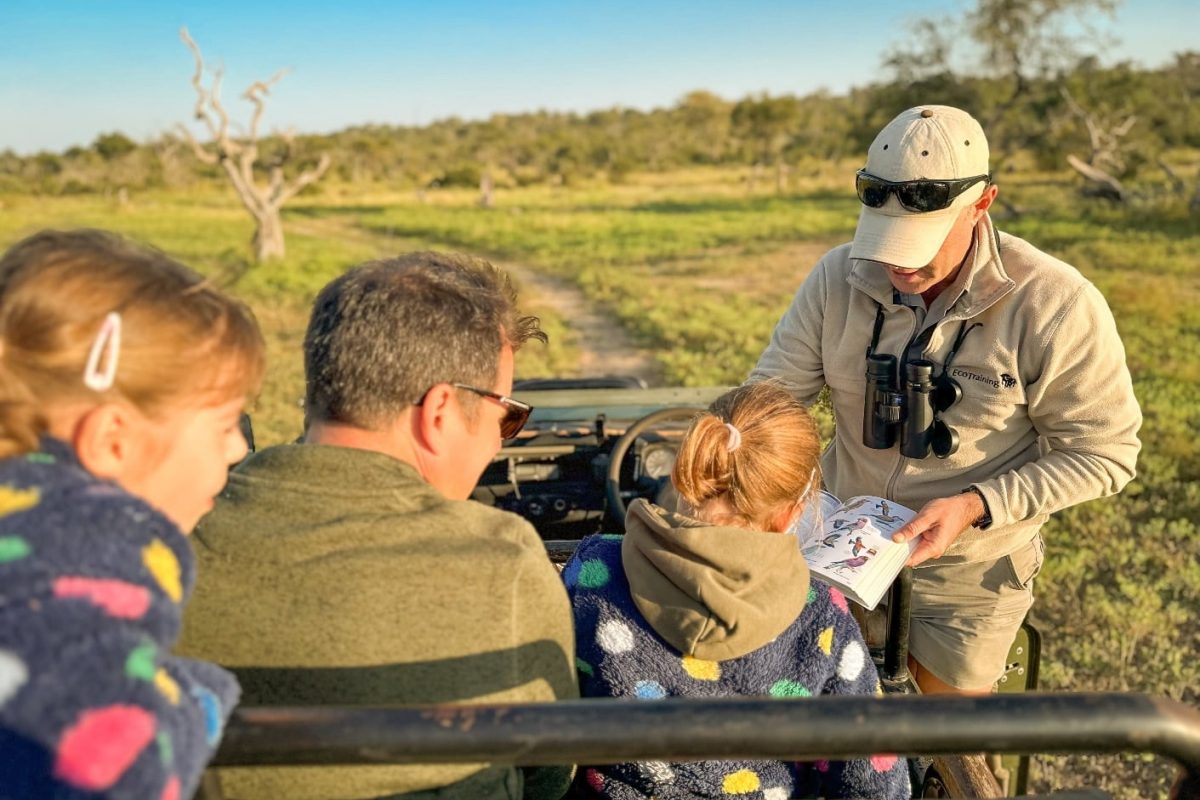
The eco training for the children was incredible and the rangers were not only at the top of their game but also took the time to make sure everyone left with an incredibly detailed understanding of all that we saw. Being surrounded by vast amounts of wildlife and African nature has been life changing for our children.
This was all coupled with the luxury lodges and fantastic group evening meals. We can’t thank the team enough for this family experience and we now have the Africa and Wild Hearted Adventures bug, we will be back soon "










Day by Day Itinerary
Day 1 - 30 JULY - THE ADVENTURE BEGINS
Kruger National Park | Catered Camping
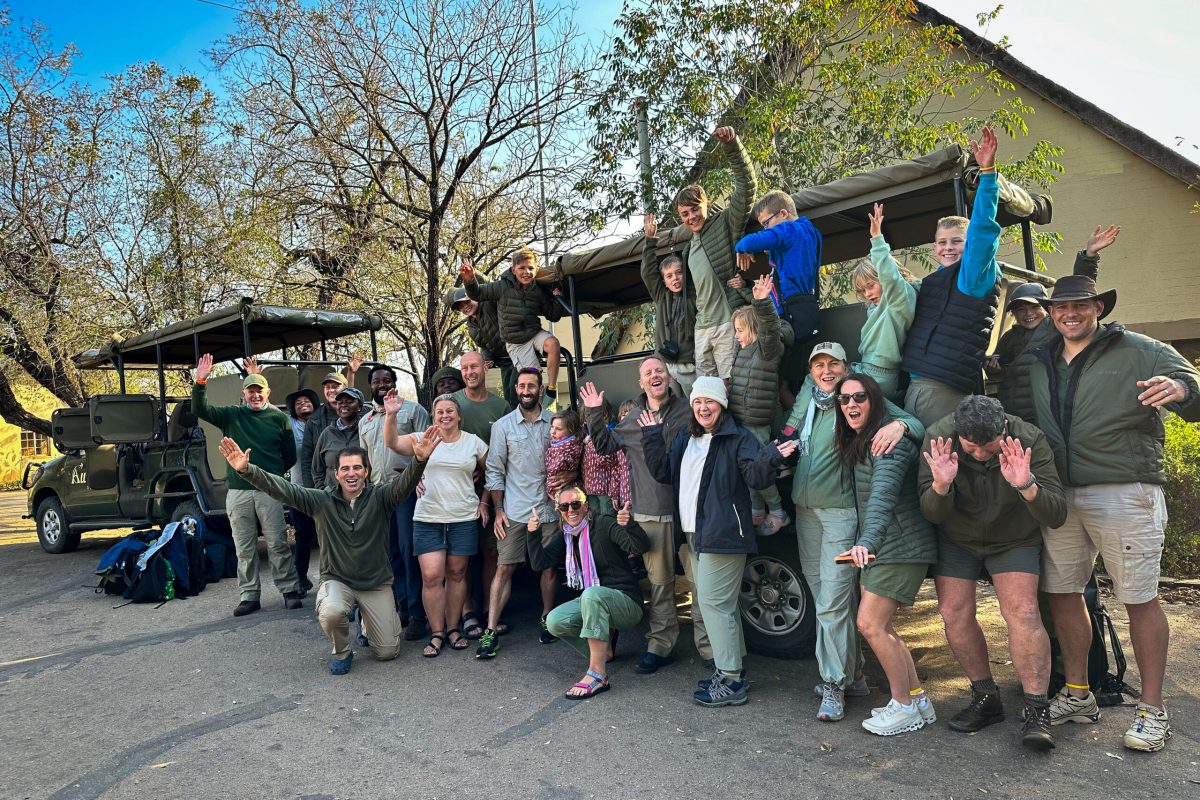
Meet the Wild Hearted Adventures team and embark on our African adventure
Upon arrival at OR Tambo International Airport in Johannesburg, you will board a connecting flight to Kruger Mpumalanga International Airport (KMI) – to arrive by 12 noon.
There, our team will be waiting to transport you to Kruger where you will have the opportunity to meet us and prepare for an exceptional adventure.
In the evening, we will host a welcome dinner, providing an opportunity to meet the other families and share detailed information about the exciting days ahead.
Our adventure begins as we head into the famous Kruger National Park straight from the airport, leaving the everyday behind and entering a world of open skies, red earth and wild landscapes.
We arrive at our authentic catered camp, settle into our tents and have time to explore, unpack and get to know the other families.
As the afternoon cools, we take our first gentle taste of the bush before returning to camp for dinner around the fire.
Then the lights go out, the stars come up and the sounds of Africa take over – it will blow you away!
Tonight, we sleep in the wild.
Accommodation: Camping in Kruger National Park
Meals Included: Dinner

Day 2 & 3- 31 JULY/1 AUG- KRUGER NATIONAL PARK
Kruger | Wildlife Discovery – Let’s go in in search of the ‘Big 5’!
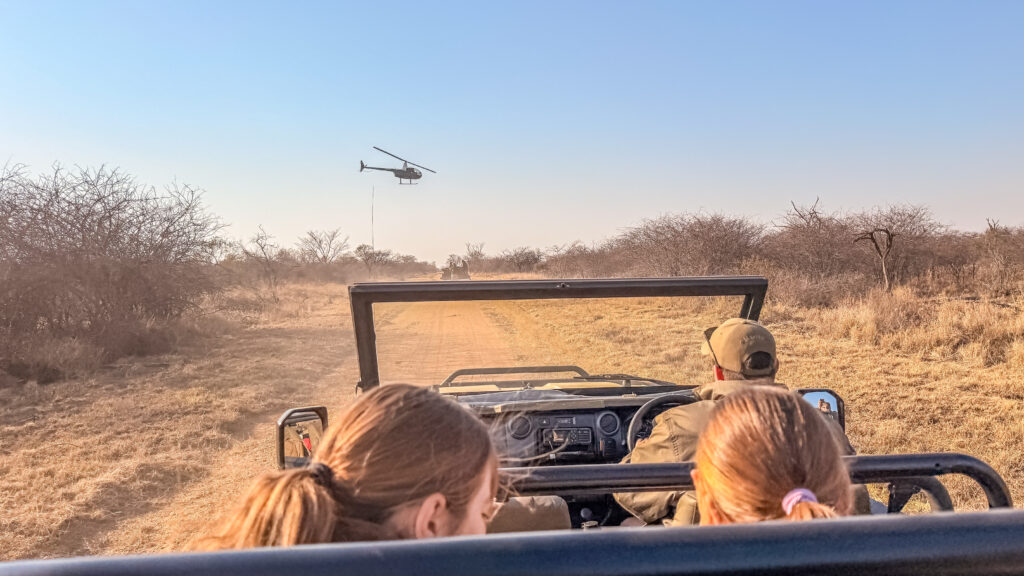
In Kruger, the days start early.
Before the heat of the day arrives, the bush is already waking up – birds calling, impalas moving through the grass and somewhere in the distance, perhaps the low rumble of an elephant.
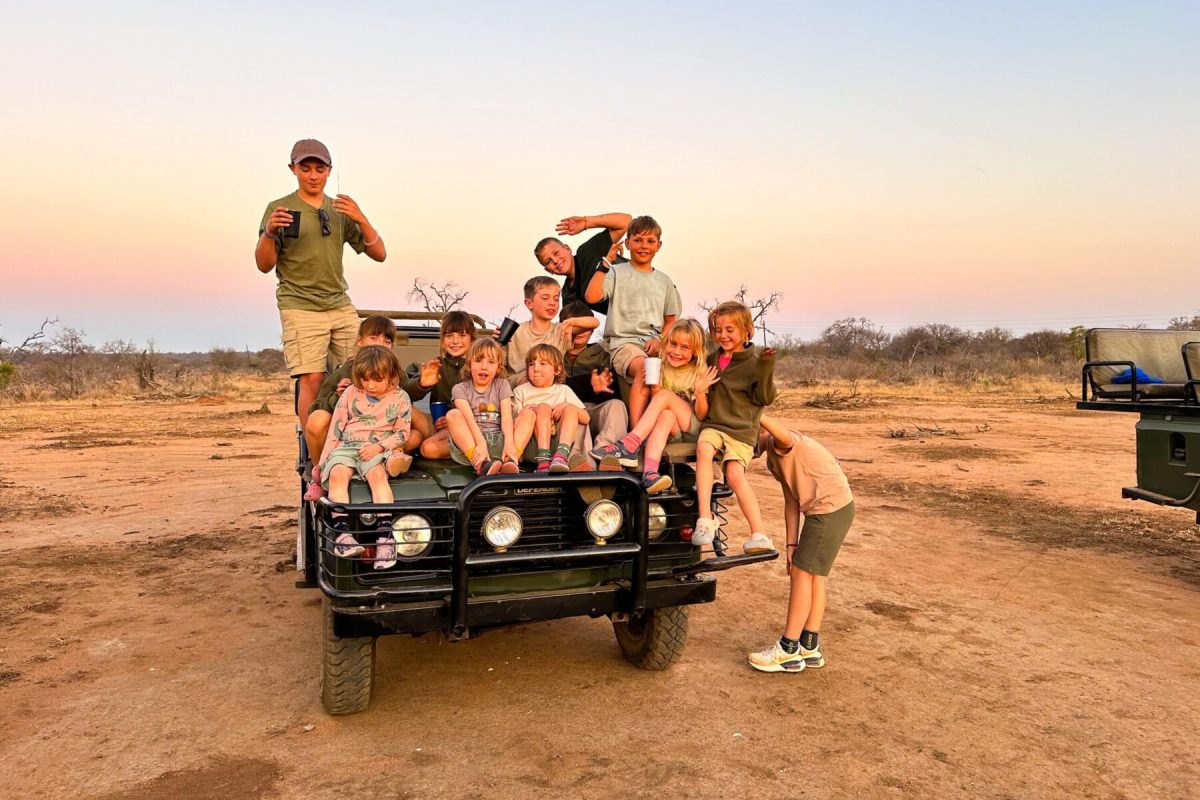
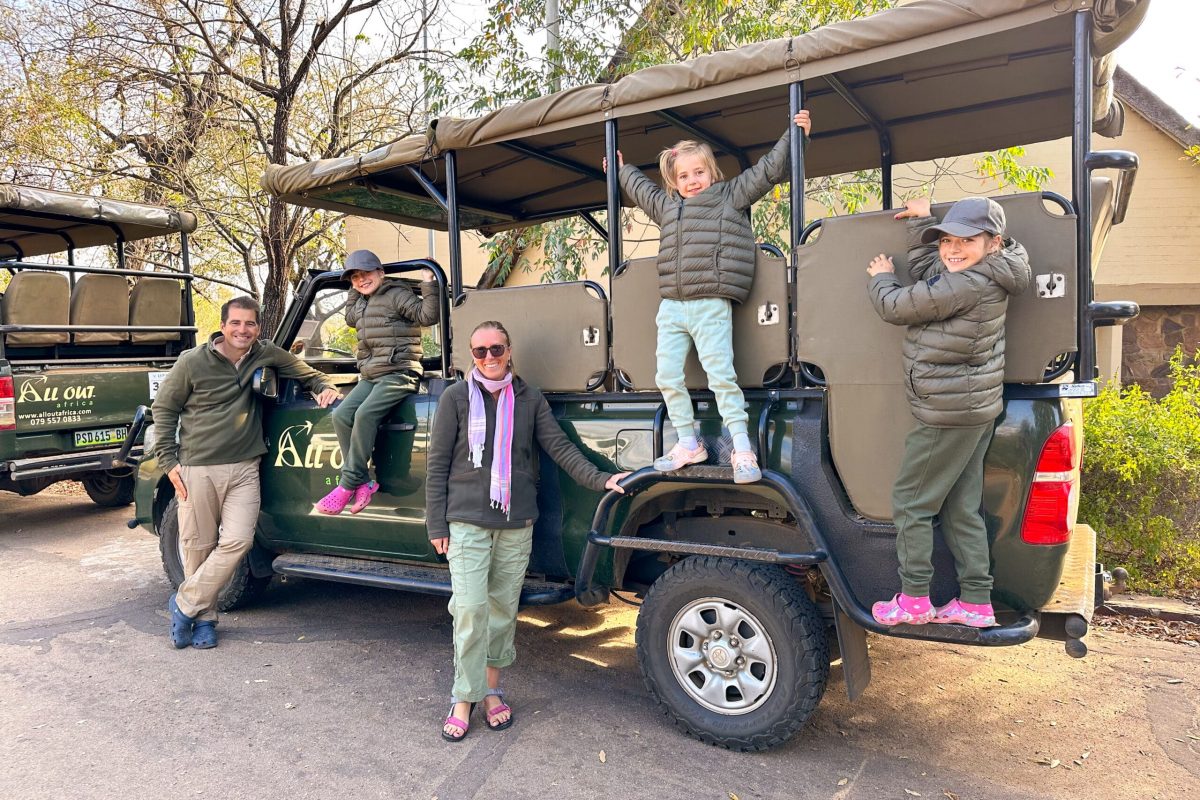
Over the next two days, our rhythm will be simple: up and out into the bush while the morning is cool, back to camp for breakfast and some time to relax, and then out again in the late afternoon as the heat eases and the animals become more active.
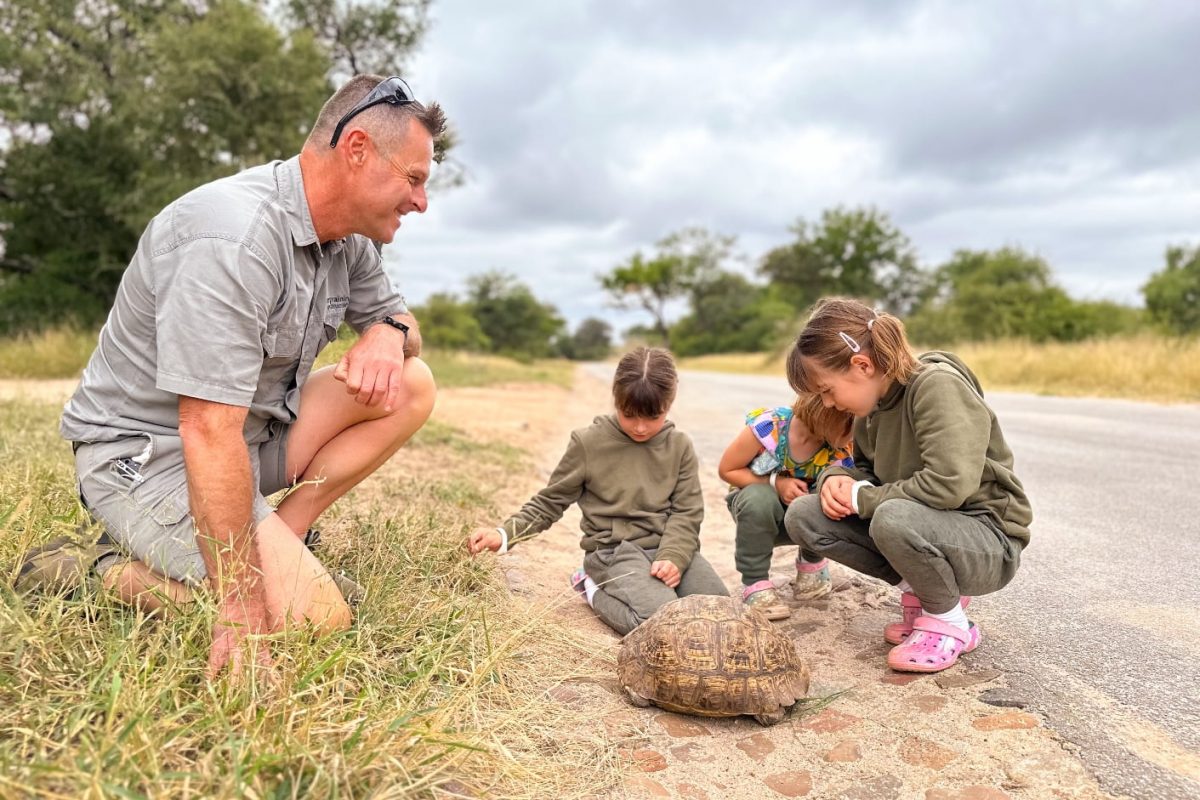
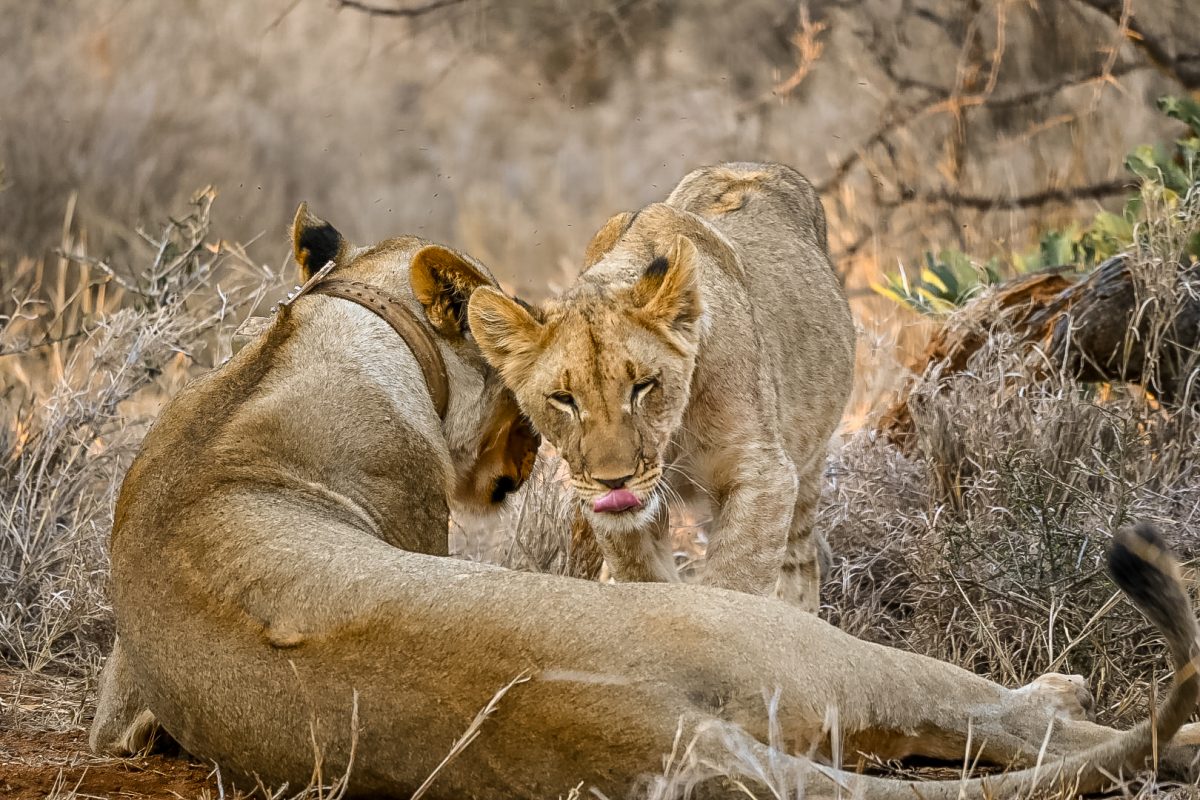
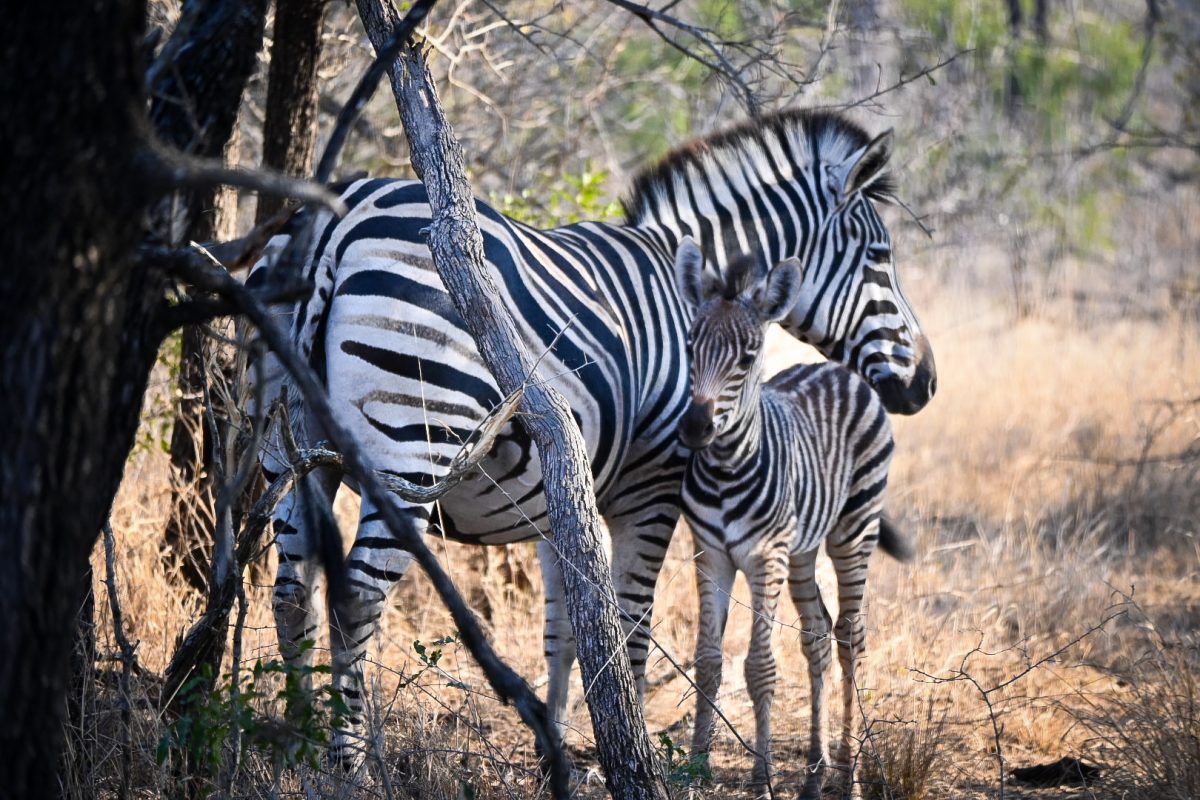
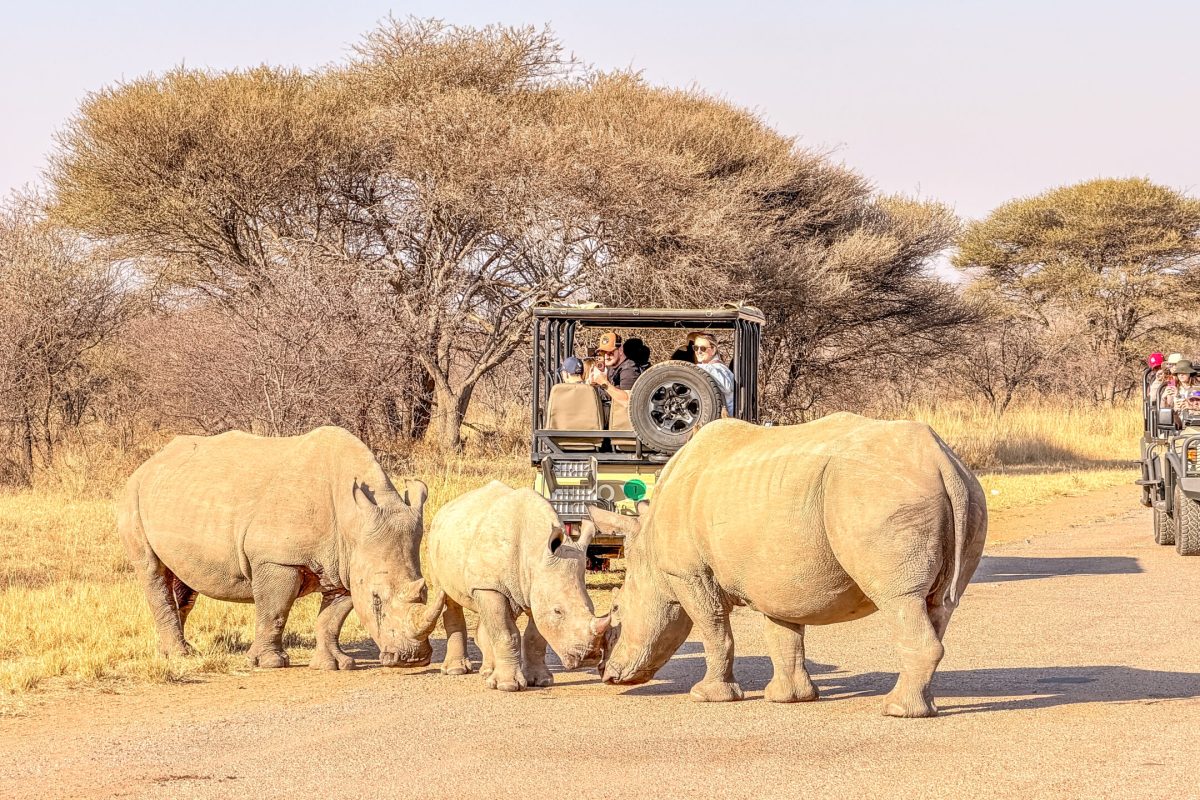
We’ll head out with our eyes open and our ears listening. Elephants, giraffes, zebra, buffalo and rhino are all part of the landscape, while lions and leopards are the more elusive prize. And then there are the countless smaller discoveries – monkeys in the trees, colourful birds, tortoises crossing the road and tracks in the dust that tell us an animal passed by only moments before.
The children will quickly become wildlife detectives, learning to look for footprints, dung, broken branches and alarm calls, and beginning to understand that finding animals is about far more than simply spotting them.
After a morning in the bush, we’ll return to camp for breakfast and some proper chill time. There’ll be space to swim, read, play, nap or simply sit and watch the world go by. The middle of the day is for slowing down.
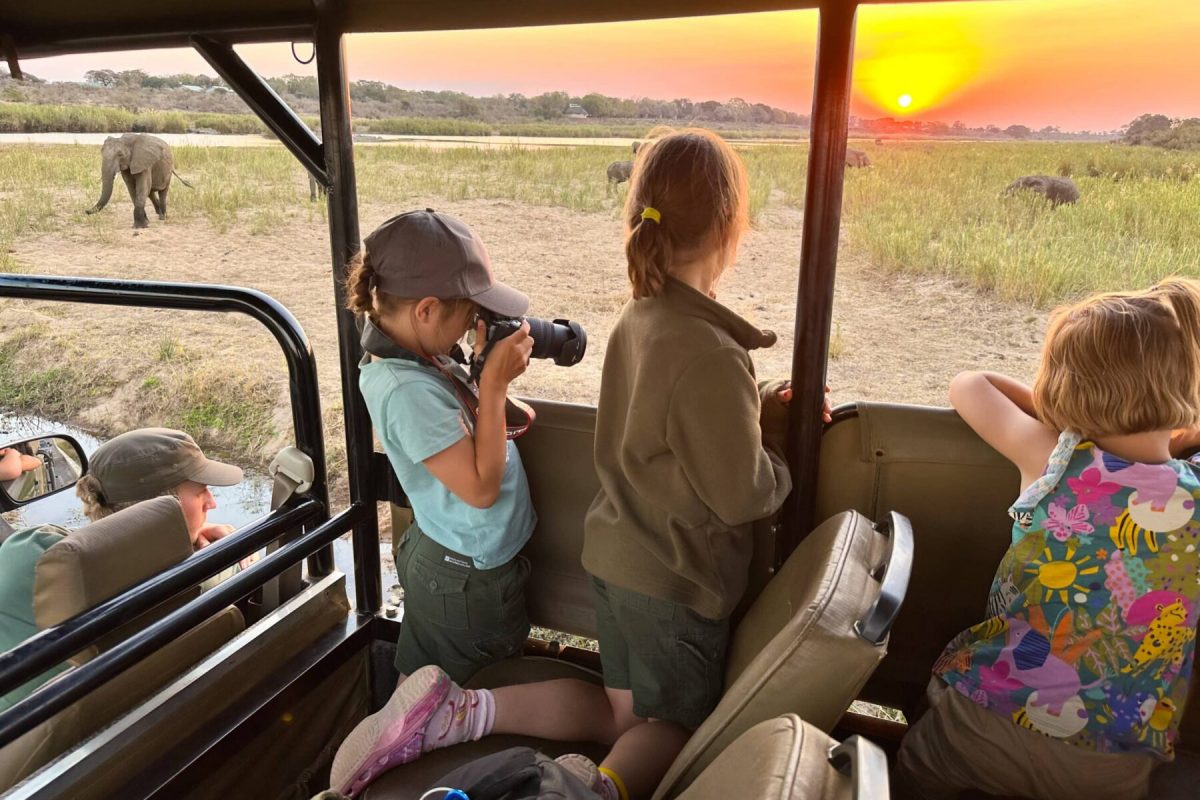
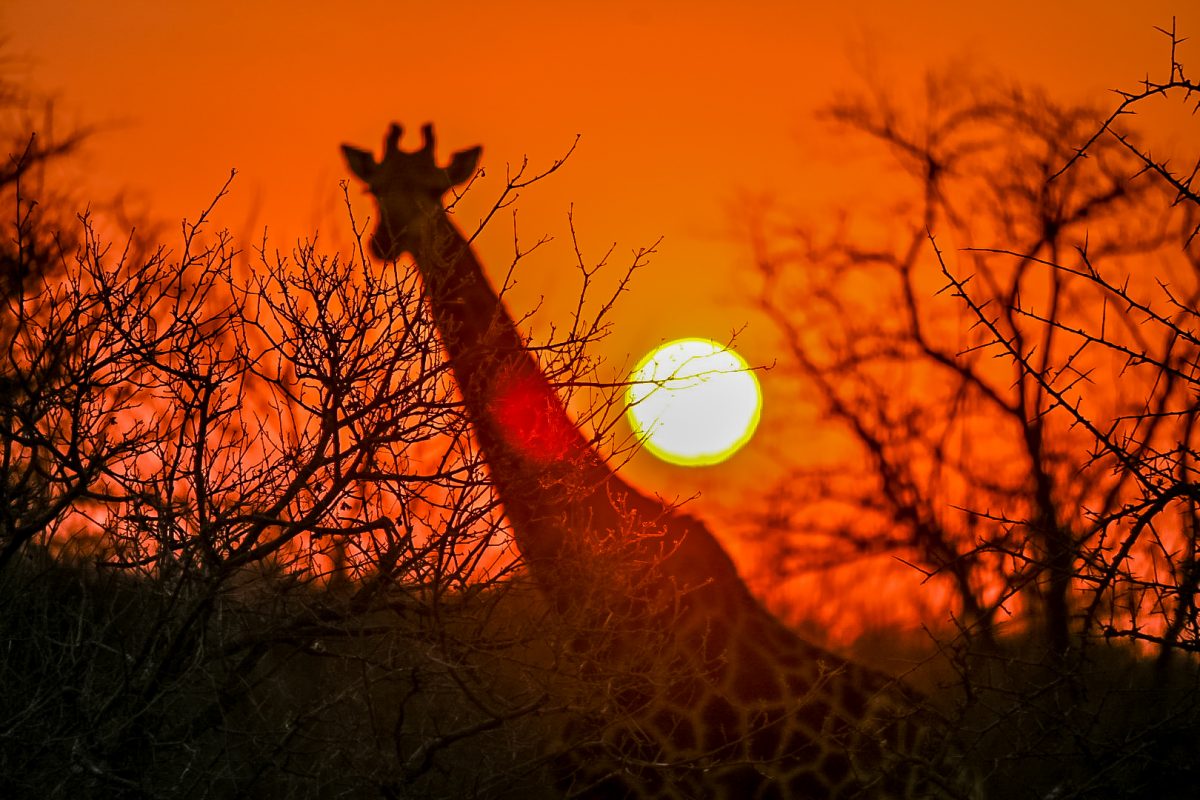
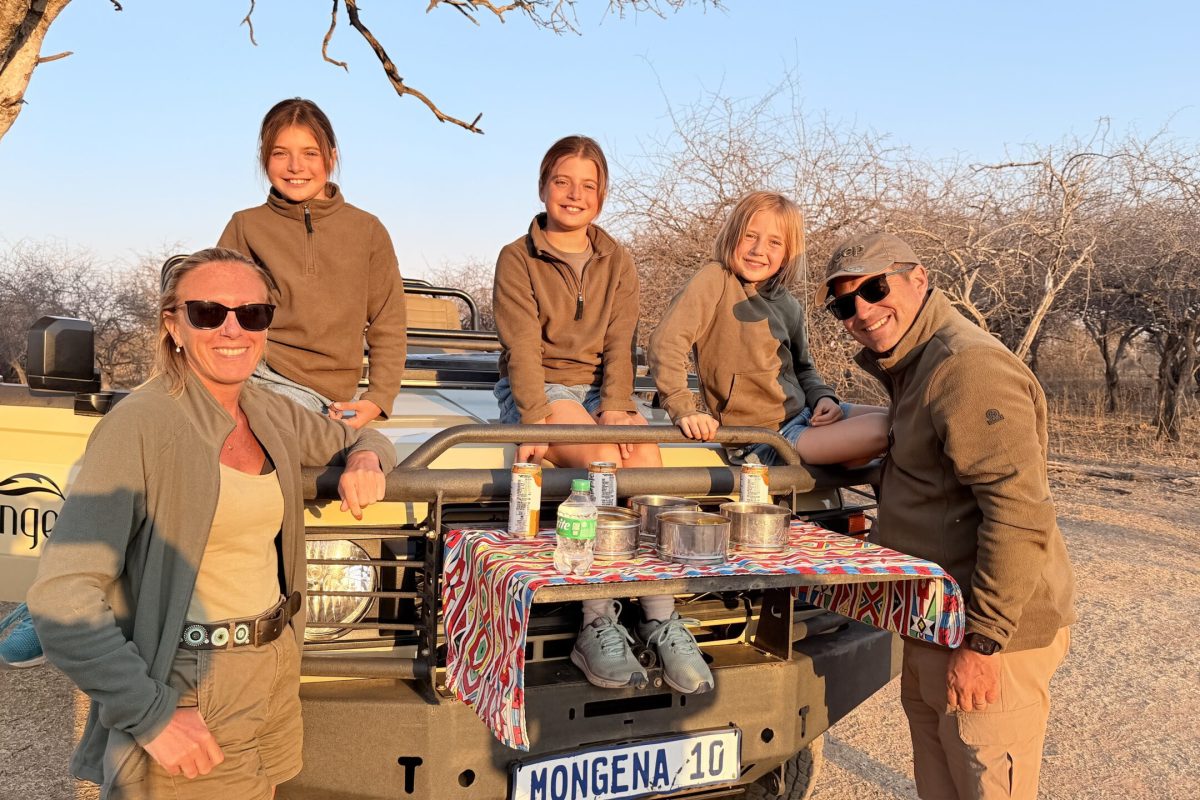
Then, as the afternoon heat begins to ease, we’ll head out again. The light changes, the animals become more active and the landscape takes on a completely different feel. We might follow elephants towards water, pause at a busy waterhole, watch giraffes silhouetted against the evening sky or find ourselves sitting quietly, waiting to see what appears.
Some drives will bring big sightings. Others might be wonderfully quiet. Sometimes the children will spot something the adults completely missed.
And that’s the magic of safari.
By the end of our time in Kruger, the children may have learned that the best moments aren’t always the biggest ones. Sometimes they’re the tiny details – a fresh track in the sand, a bird calling from somewhere unseen, or the sudden silence that tells you something is nearby.
The real skill is learning how to look.
Accommodation: Kruger NP Camping
Meals included: Breakfast, Lunch and Dinner
Day 4 - 2 AUGUST - MEET THE LITTLE RHINOS
Care for Wild | Rhino Conservation
Today the journey changes.
We leave the vast wilderness of Kruger behind and arrive at Care for Wild, where we move from watching wildlife in the distance to getting much closer to the animals themselves.
This is a truly once-in-a-lifetime experience – a rare opportunity to go behind the scenes at Care for Wild, that is not open to the general public.
We’ll meet orphaned rhinos and begin learning their individual stories.
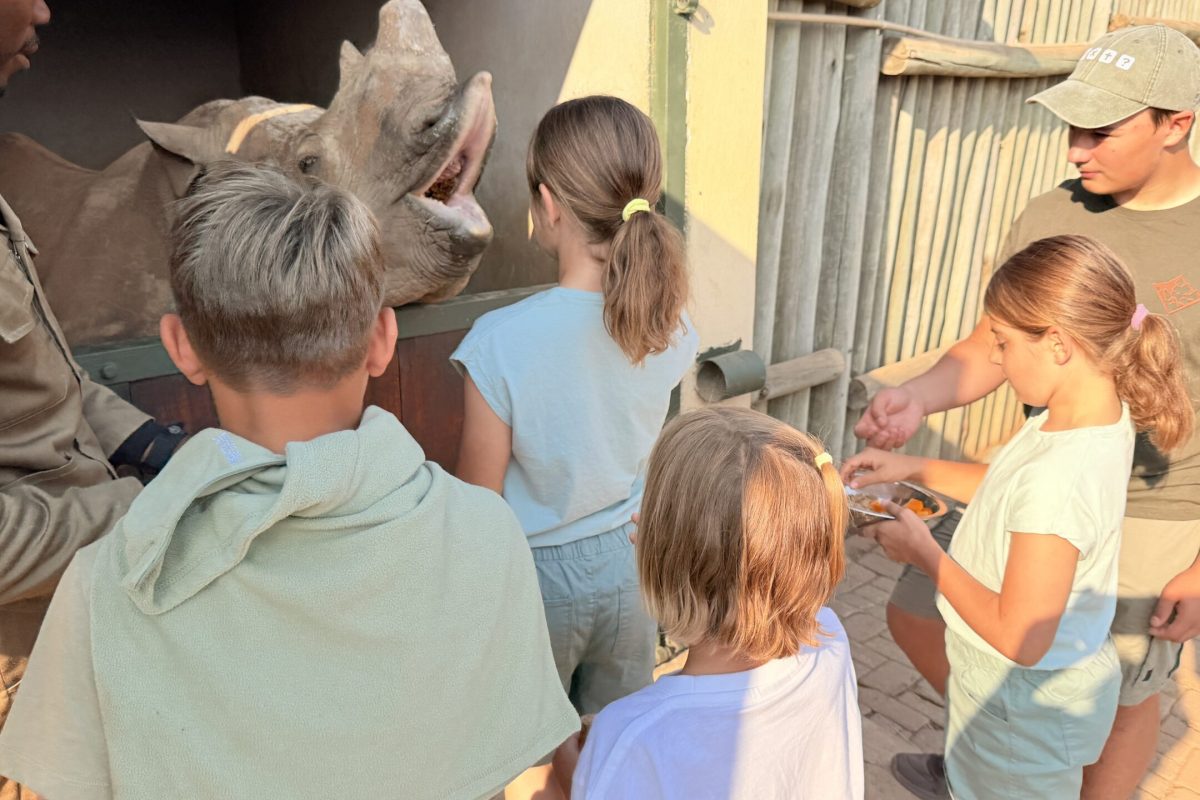
The children will spend time observing them, meeting the people who care for them and discovering what their daily lives look like.
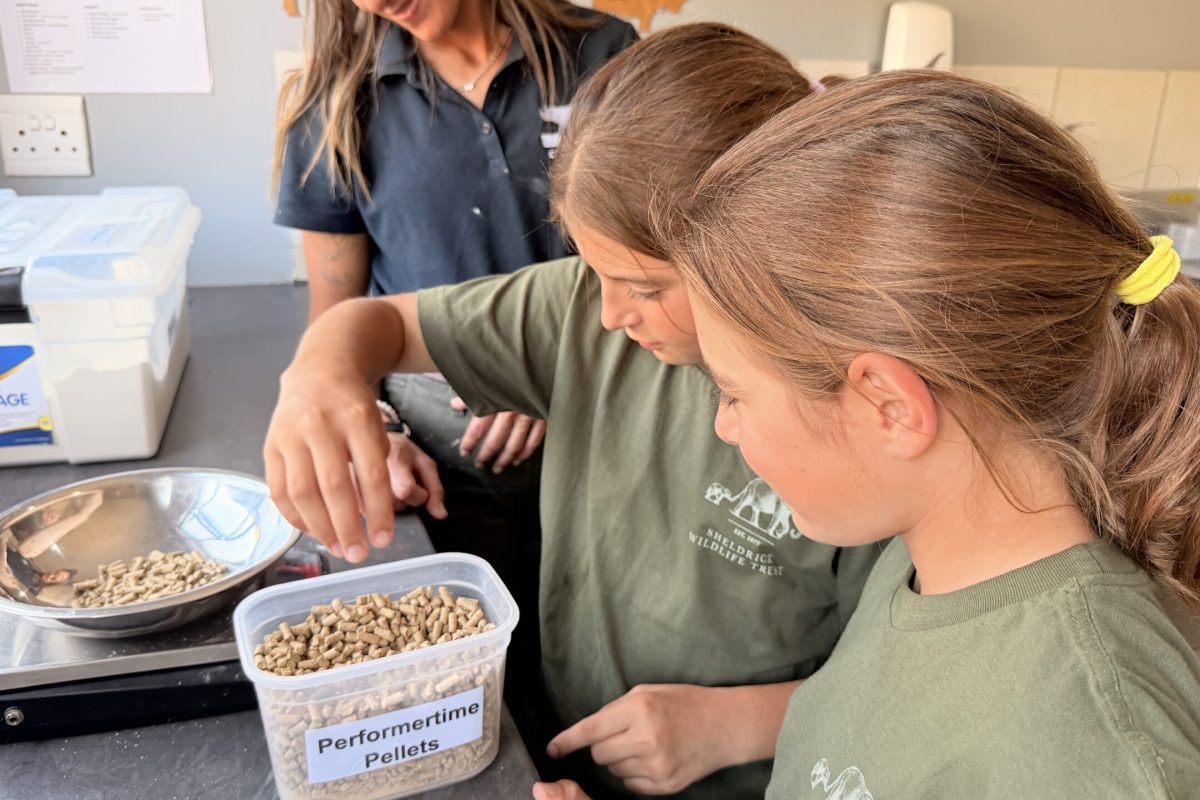
What do they eat?
How are they cared for?
Why did they come here?
What will happen to them as they grow?
There is time to ask questions and really absorb the experience.
Tonight, the children aren’t simply talking about the rhinos they saw.
They’re talking about the rhinos they met.
Accommodation: Care for Wild Cabins
Meals included: Breakfast and Dinner

Day 5 & 6 - 3/4 AUGUST - A DAY IN THE LIFE OF A RHINO CARER
Care for Wild | Rehabilitation & Care
Over these days, the children will begin to see what life is really like behind the scenes of rhino conservation – from caring for vulnerable orphaned rhinos to understanding what it takes to protect them and ultimately return them to the wild.
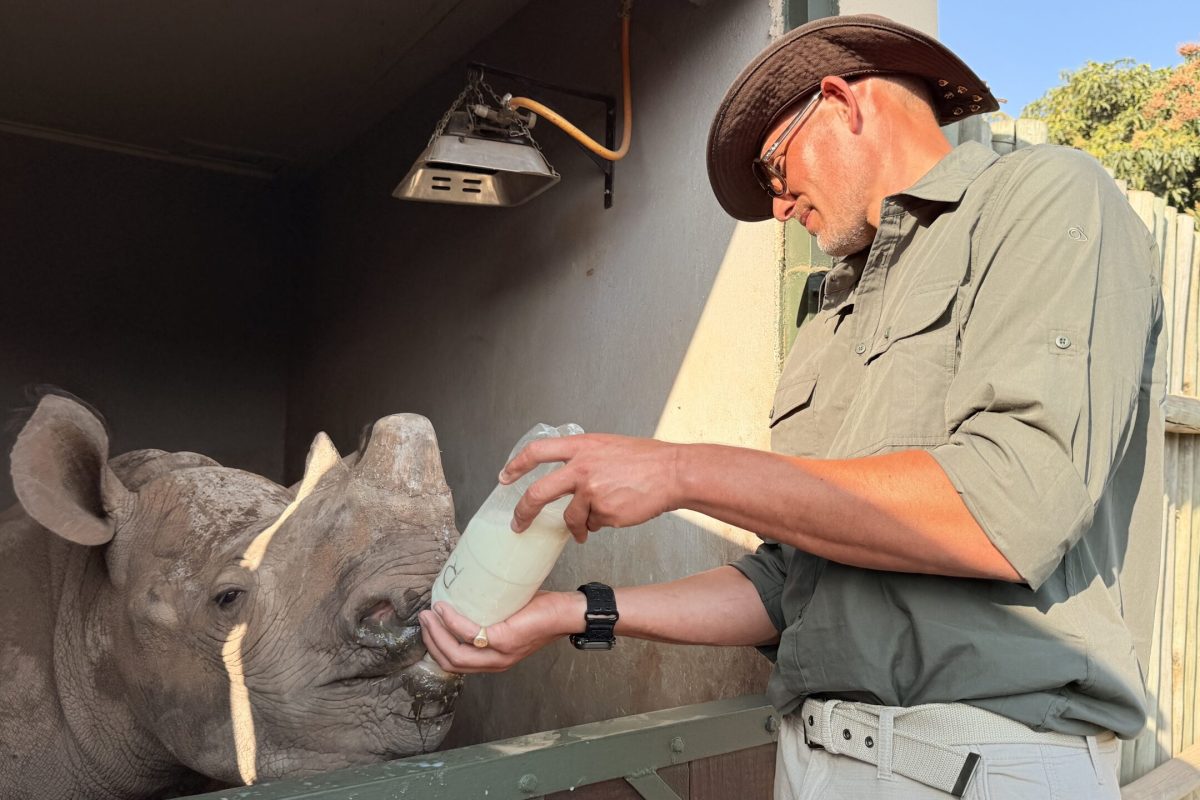
At first, it’s all about getting to know the rhinos. Spending time with them and their carers, learning their routines and perhaps even beginning to recognise individual animals and their stories.
We’ll discover what goes into the daily care of an orphaned rhino: feeding, monitoring, health checks and all the small routines that keep these young animals growing and developing. Where appropriate, the children can get involved in hands-on activities, ask questions and see first-hand just how much patience and care goes into looking after an animal that has lost its mother.
From there, we’ll start to see the bigger picture.
We’ll meet the anti-poaching team and discover the many different skills involved in protecting wildlife. The children will meet the K9 and horse units, seeing how these highly trained teams support the work on the ground and learning about the role they play in protecting the reserve.
We’ll probably spend time with members of the local community and discover why conservation works best when people and wildlife are part of the same story.
We’ll also go behind the scenes into the operations room, where the wider landscape is monitored and the team keeps track of what is happening across the reserve. It’s a chance to see the people, technology and constant vigilance that sit behind the conservation work.
There will be game drives too, giving the children a chance to experience the landscape beyond the orphanage and understand the environment these animals are ultimately being prepared to return to.
And then comes one of the most special parts: meeting the older orphans.
These are the animals further along their journey – being prepared for the next stage of rehabilitation and, ultimately, the possibility of returning to the wild. Seeing them alongside the younger rhinos helps bring the whole process to life: from rescue and rehabilitation to independence.
The questions become bigger.
How do you know when a rhino is ready to be rewilded? What happens if it gets sick? How do you prepare an animal that has grown up in human care for life in the wild? And could it really return to the wild again?
There will be plenty of time to slow down too, with relaxed afternoons to enjoy the sanctuary, rest, swim or simply watch the rhinos.
It’s a few days of doing, learning and caring, without trying to fill every minute.
By the time we leave, these won’t simply be rhinos the children came to see.
They’ll have met the people who care for them, the teams who protect them, the K9 and horse units, the communities who live alongside them and the older animals further along the journey.
They’ll leave with a much deeper understanding of what conservation really means – and why giving these animals a future takes an entire community.
An experience very few people ever get to have, and one the children are unlikely to forget.
Accommodation: Care for Wild Cabins
Meals included: Breakfast, Lunch & Dinner

Day 7 - 5 AUGUST - A NEW WILDERNESS
Today we change pace again.
We leave Care for Wild and make our way to Dinokeng, arriving in a new landscape with a new chapter of the adventure ahead.
There is time to settle in, have lunch and enjoy the surroundings and the resident wildlife.
Later in the afternoon, when the heat begins to ease, we head out to explore the reserve and discover its wildlife.
This is an opportunity to return to the simple joy of being in the bush – watching animals, taking photographs and enjoying the landscape together.
Back at the lodge, dinner sets the scene for tomorrow’s big experience.
Tomorrow, the children won’t just be looking for wildlife. They’ll be going into the field with the people who care for it.
Accommodation: Dinokeng Lodge
Meals included: Breakfast & Dinner

Day 8 - 6 AUGUST - BUSH VETERINARY EXPERIENCE - Conservation in Action
Today is one of the most unique experiences of the trip.
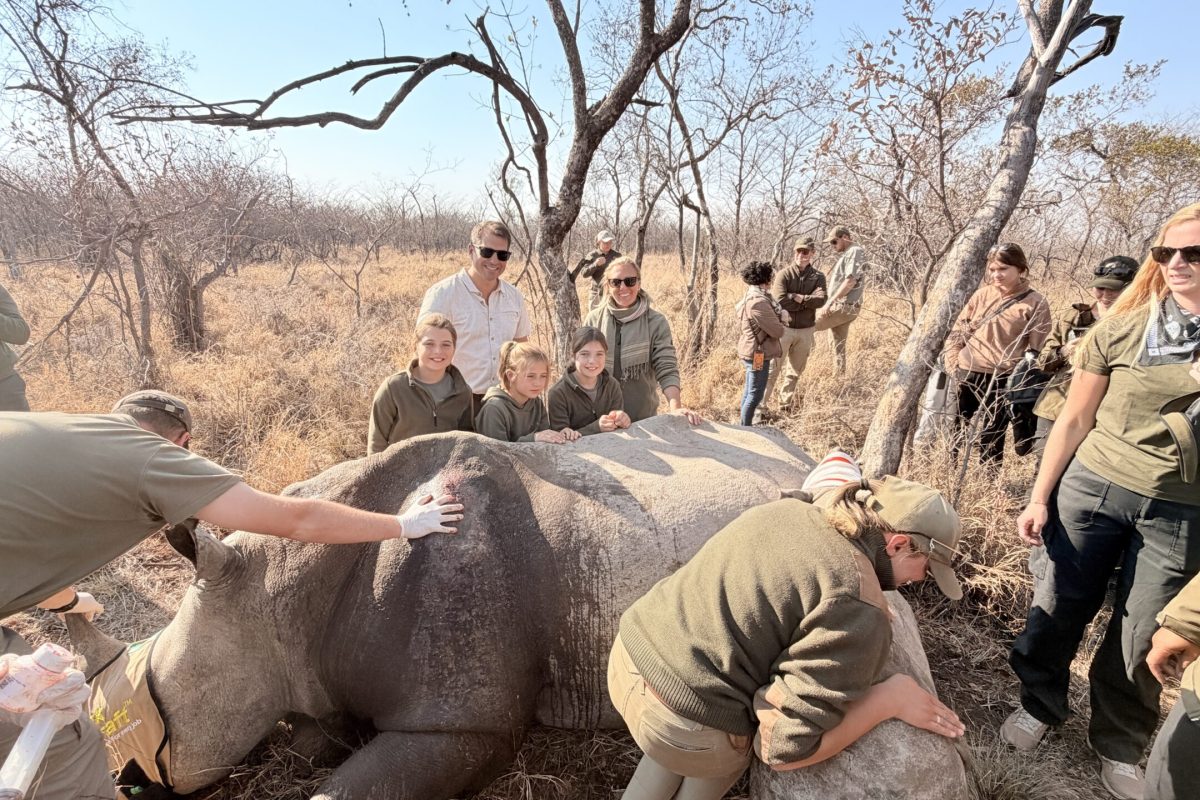
It takes us behind the scenes and into the fascinating world of wildlife conservation, joining the Dinokeng Wildlife Team and an experienced wildlife veterinarian out in the reserve.
This is a very different kind of safari. Rather than simply observing wildlife from a distance, we’ll have the rare opportunity to see what happens when the conservation team needs to step in to care for, monitor or protect an animal.
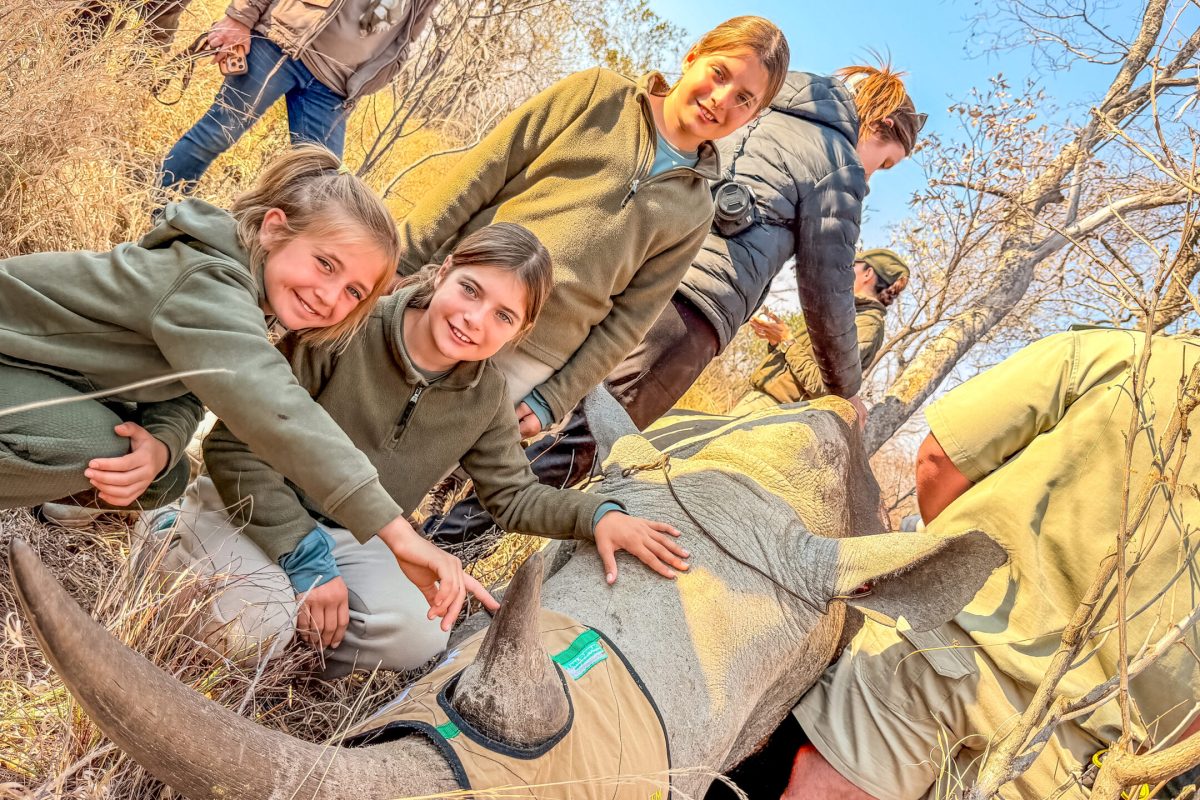
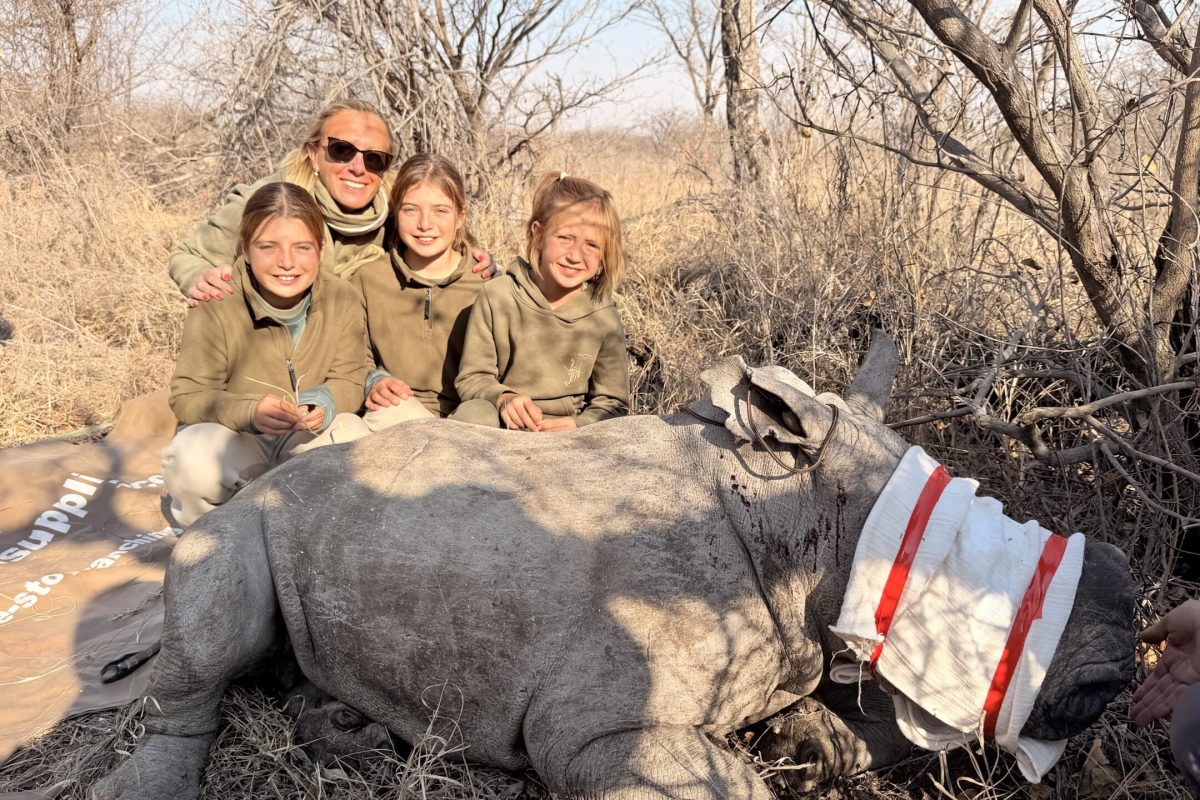
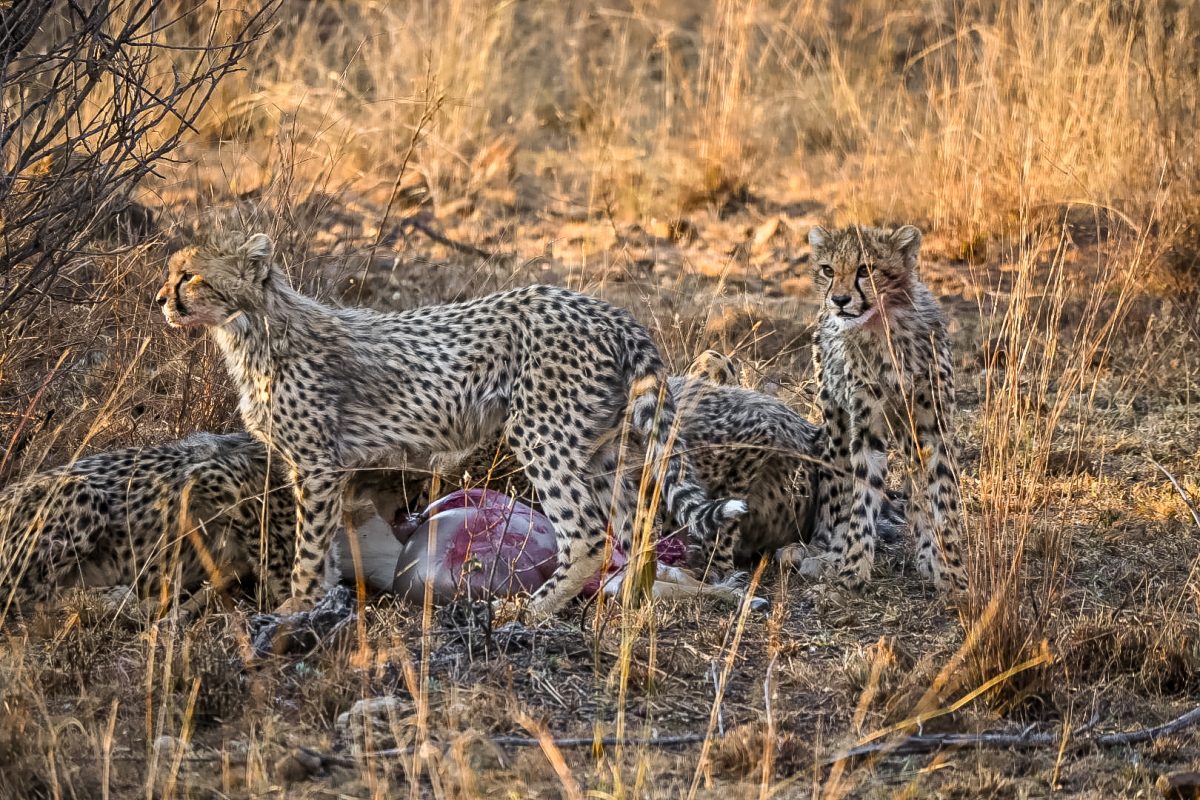
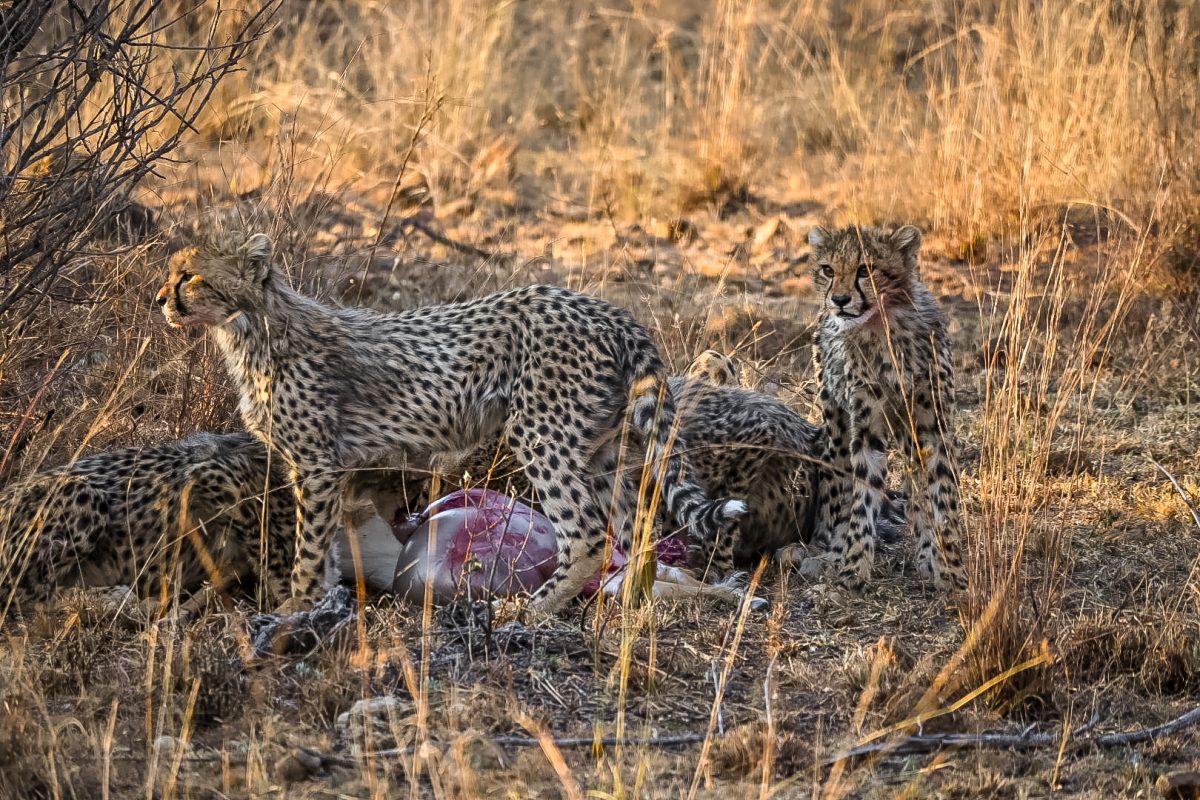
Depending on the needs of the reserve and the animals at the time, we may have the opportunity to witness or assist with genuine conservation work involving some of Africa’s most iconic species, which could include rhino, lion or cheetah.
Being so close to this work offers a rare insight into the skill, care and decision-making that goes into managing a wild population.
Possible experiences may include:
- Lion and cheetah collaring – witness or assist the team as a tracking collar is fitted or checked, and discover how it helps them monitor these elusive predators.
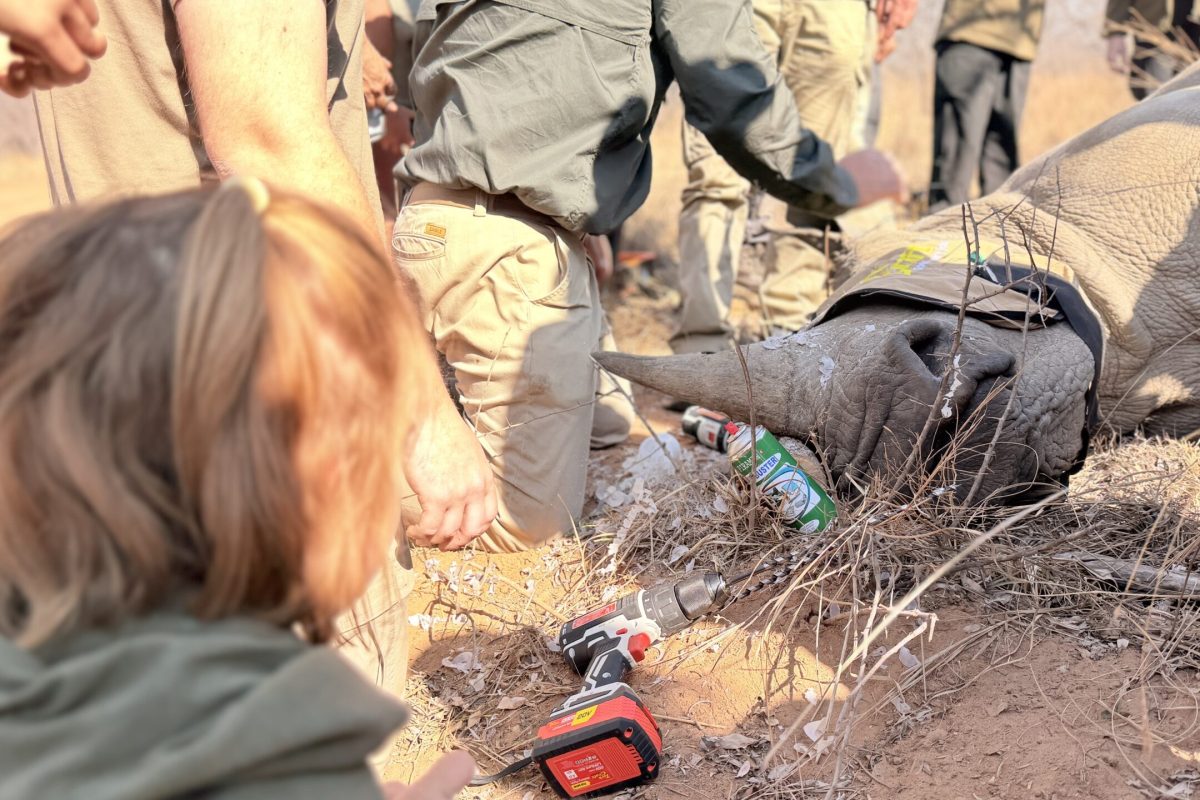
- Rhino dehorning, notching or tracker implant – witness this important anti-poaching measure and learn how it helps protect these magnificent animals.
- Wildlife veterinary procedures – observe veterinary care taking place in the field, depending on the needs of the animals.
- Monitoring vital signs – see how the team assesses an animal’s condition and responds to its health and wellbeing.
- Meet the wildlife veterinarian — ask questions and hear first-hand about the challenges and rewards of working with wild animals.
Throughout the experience, the veterinary team will explain what they are doing, why it matters and how decisions are made in the field. There will be the opportunity to ask questions and gain a fascinating insight into the work that goes on behind the scenes to protect and manage a healthy, thriving wildlife population.
This isn’t a staged experience-it’s conservation as it really happens, giving us a rare glimpse into the dedication, skill and passion it takes to protect Africa’s wildlife.
After lunch, the pace changes. There is time to swim, rest, look through photographs and talk about everything we have seen.
Then, as the afternoon cools, we head back into the bush for a game drive.
Perhaps we’ll encounter elephants, lions, cheetahs, giraffes, rhinos, hippos or zebras.
Perhaps we’ll spend twenty minutes watching something much smaller.
Either way, the experience has changed.
After seeing what happens behind the scenes, we look at wildlife with different eyes.
Accommodation: Dinokeng Lodge
Meals included: Breakfast & Dinner

Day 9 - 7 AUGUST - ONE LAST WILD DAY
Our final morning begins with one last opportunity to head into the bush.
We climb into the safari vehicles, follow the tracks and see what the morning brings.
By now, the children know that a game drive isn’t about being entertained every second.
There will be excitement, but there will also be quiet stretches, waiting and watching.
And that’s when they might notice something they wouldn’t have seen at the beginning of the trip – a tiny track, a distant bird call, movement in the grass.
They’ve learned how to look closer.
After the morning adventure, we return for breakfast and have time to enjoy the final hours at Dinokeng, share photographs and stories and begin the journey home.
There is no need to fill every last minute.
The magic is in what we’ve experienced together.
The elephants.
The rhinos.
The tracks.
The vet.
The unexpected sightings.
The evenings around the fire.
The laughter between families who arrived as strangers and leave with a shared story.
And then, before we leave, one final thought:
The children arrived wanting to see wildlife.
They leave knowing how to look for it, understand it and care for it.
They have tracked animals, met orphaned rhinos, discovered what daily care involves, met conservation professionals and stepped into the world of wildlife medicine.
They haven’t just been on holiday.
They’ve experienced the world behind the wildlife.
And hopefully, they leave with a little more curiosity, a few incredible stories – and a desire to keep discovering the wild long after they return home.
Accommodation: Dinokeng Lodge
Meals included: Breakfast & Dinner

Day 10 - 8 AUGUST - THE JOURNEY HOME
After a slower morning and a late breakfast, there’s time for one final coffee, a last look around and perhaps a few more photographs before we say goodbye to the bush.
Then we’ll travel together by shuttle to O.R. Tambo International Airport, where the safari comes to an end.
Whether you’re heading home or carrying on to somewhere new, the journey gives everyone a chance to reflect on the days we’ve shared, the wildlife we’ve encountered and the stories we’ll be taking with us.
Please book onward flights from 14:00 onwards at O.R. Tambo International Airport, to allow plenty of time for the transfer to the airport.
Meals included: Breakfast

** The itinerary is subject to changes. Whilst we do our best to keep to our planned itinerary, on occasions things do have to be altered.
Our Accommodations
PLEASE NOTE: Accommodation, room sizes and facilities may vary between lodges, hotels and individual rooms. Some rooms feature beds only, while others may accommodate children using sofa beds or floor mattresses. In some instances, families may be accommodated across two separate rooms, which may not be located next to each other. Room allocations are subject to availability and will be made on a first-come, first-served basis.
Kruger Camp
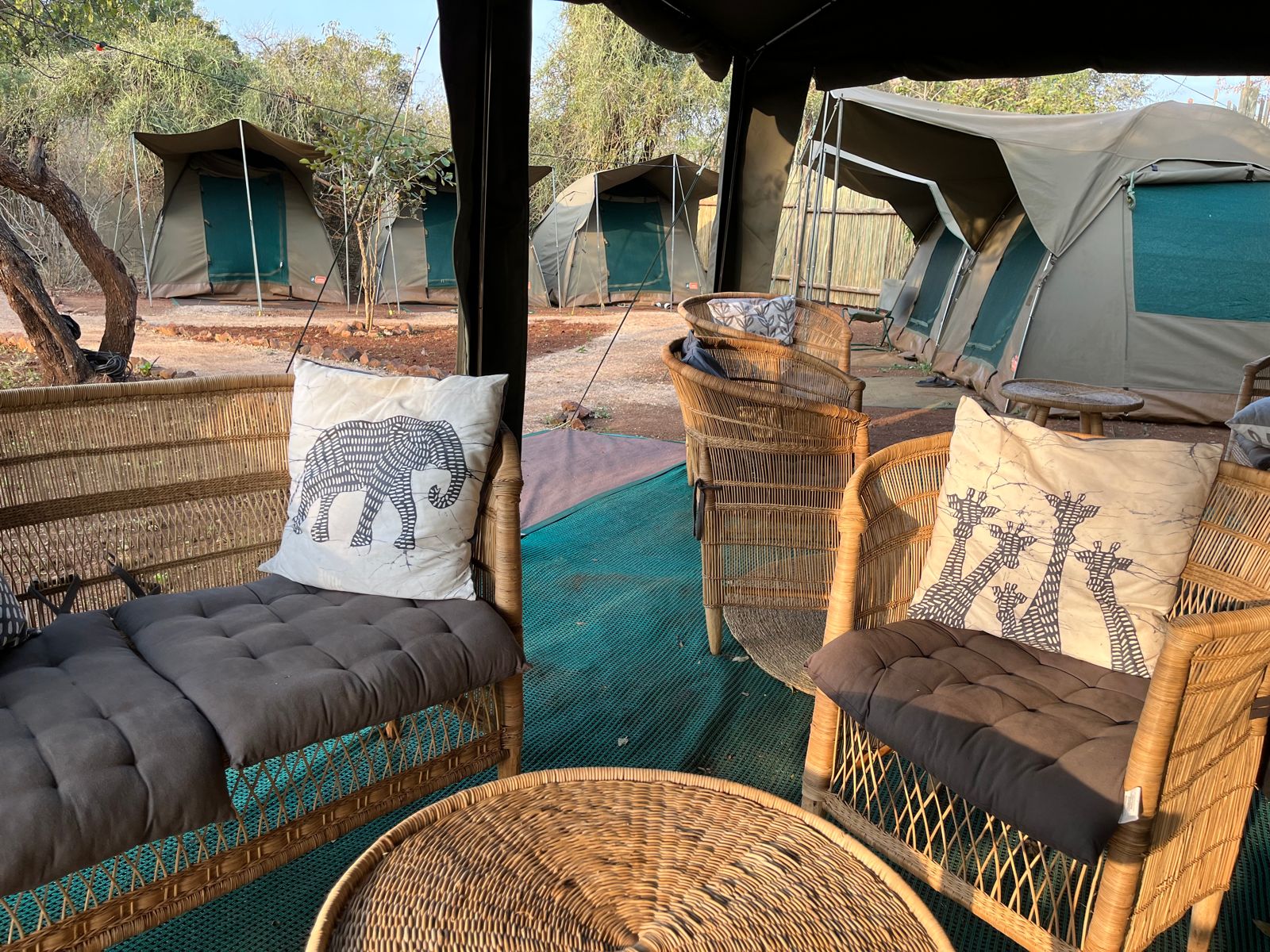
Guests are accommodated in comfortable dome, canvas safari tents which take 2 people each. For larger families, you will be in tents less than 1m apart – it’s an amazing experience.
Everything needed will be provided. Clean flush toilets and hot showers are a short walk away. The camp is fully fenced and it is safe to walk around and explore the different viewpoints and attractions.
Visitors cannot but feel soothed by the view over the perennial Sabie River and the Lebombo Mountains beyond, which form the natural boundary and act as a highlight of the Kruger National Park.


Care for Wild Cabins
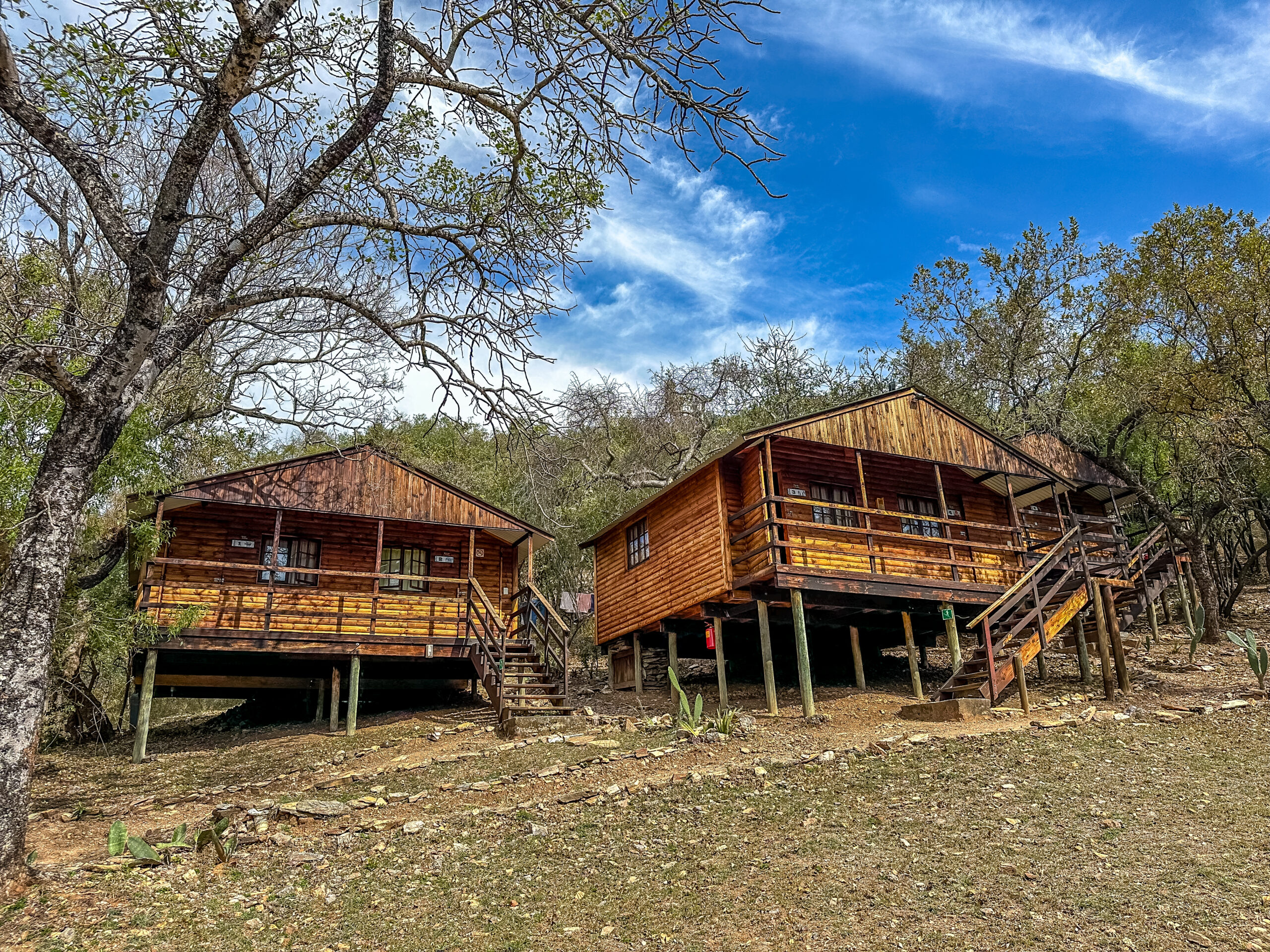
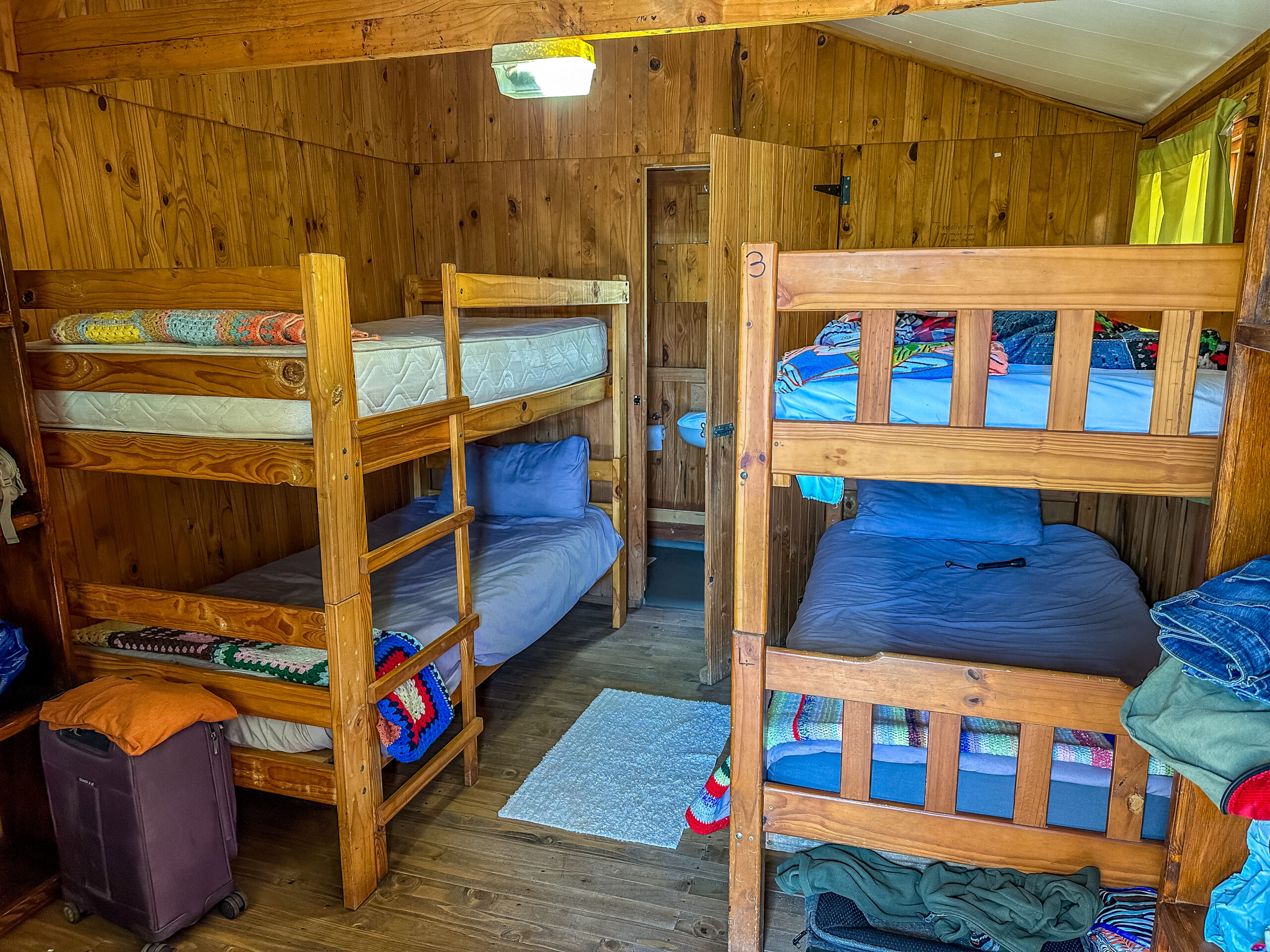
Our time at Care for Wild is about getting close to the work – and the accommodation reflects that beautifully. We’ll stay in rustic, bush-style wooden cabins within the sanctuary, giving us a comfortable and welcoming base to return to after days spent caring, learning and exploring.
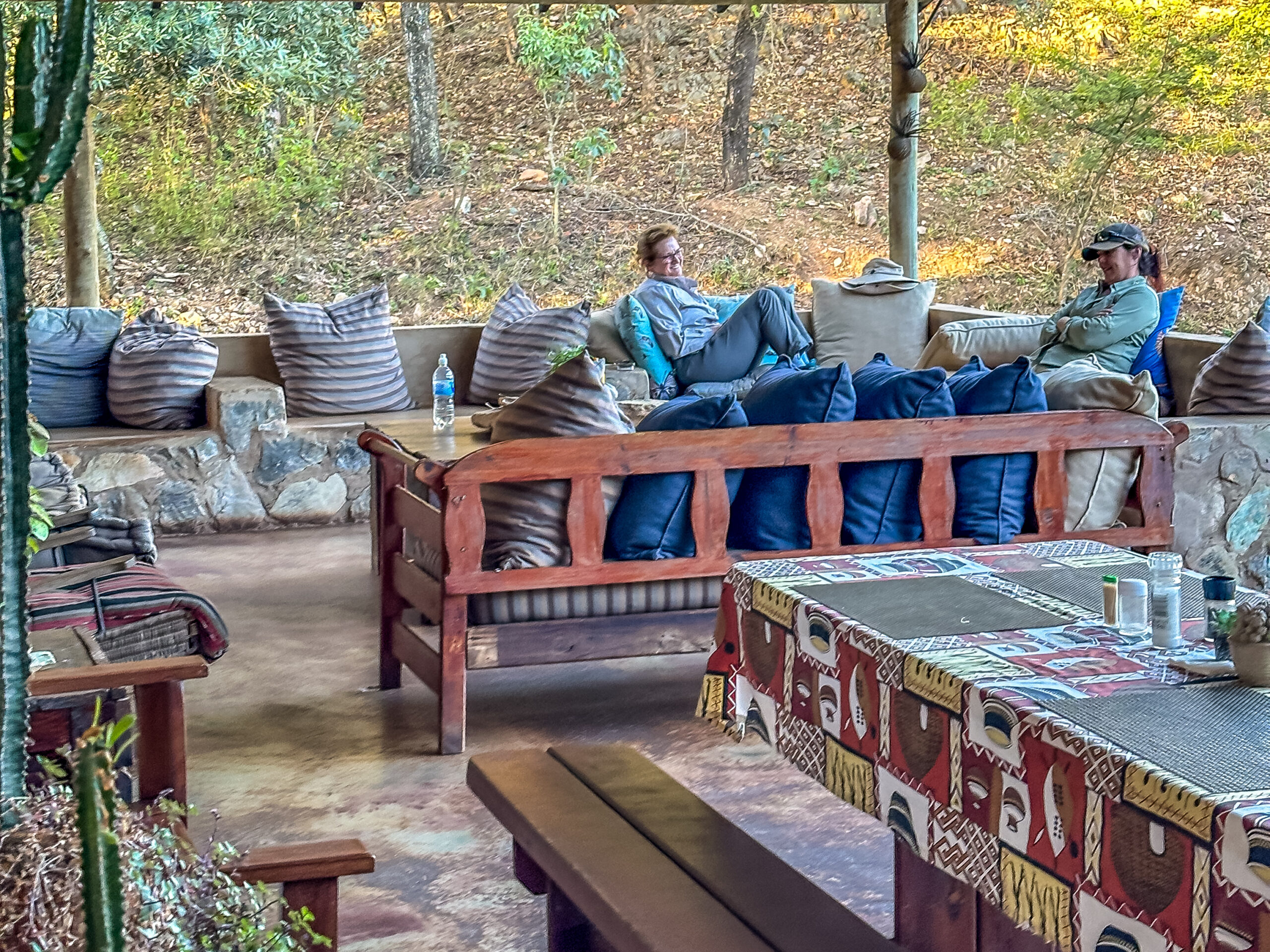
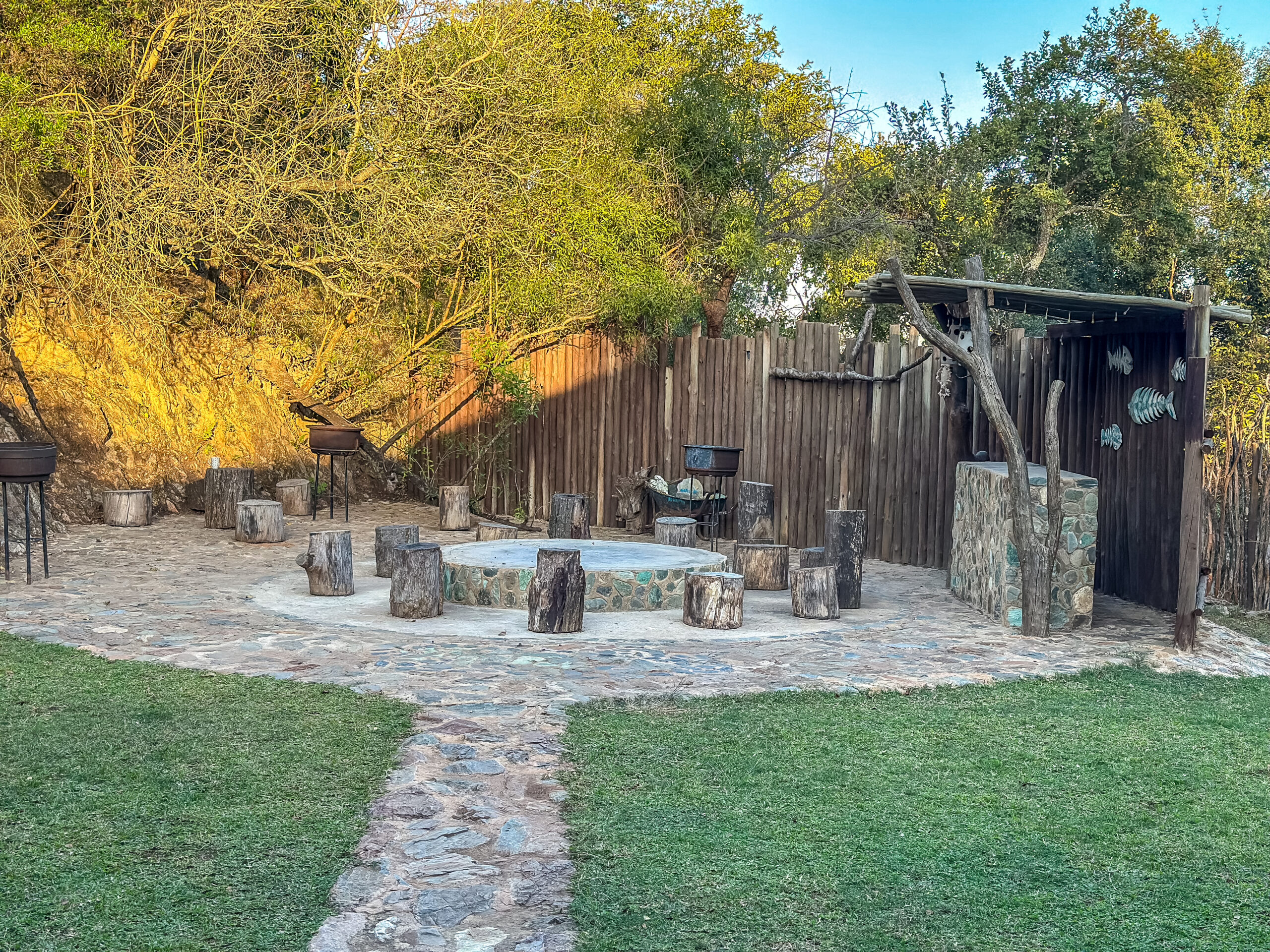
The cabins are simple and basic but well equipped, with ensuite bathrooms, hot showers, Wi-Fi and everything we need for a comfortable stay. Outside our cabins, the camp has a relaxed communal lounge, a small splash pool and a dining area where we’ll come together for three freshly prepared meals each day.
It’s a lovely place for the families to unwind between experiences – swapping stories from the day, cooling off in the pool, enjoying a meal together or simply slowing down and listening to the sounds of the bush around us.
This is bush living with a purpose – comfortable, relaxed and right at the heart of an extraordinary conservation experience.
Dinokeng Game Reserve
This makes a lovely final chapter to the safari. After everything you have experienced, it’s a chance to slow the pace without losing that sense of adventure.
The lodges gives the children one last opportunity to be out in the bush, spotting elephants, rhino, giraffe, zebra and buffalo, with the possibility of lion and leopard too.
Between game drives, there’s time to swim, relax and enjoy being together, while the lodge’s gardens and surrounding bush offer plenty to discover.
It’s a relaxed and memorable way to finish – one final taste of the wild, with time to reflect on the adventures, friendships and stories they’ll be taking home with them.


Who is this trip for?
This trip is for families who want to experience Africa a little differently. For children who are naturally curious, love animals, ask lots of questions and want to get involved rather than simply watch from the sidelines – and for parents who want to share something genuinely meaningful with them.
You don’t need to be an experienced safari-goer or a wildlife expert; just bring a sense of adventure, an open mind and a willingness to get a little dusty along the way. There will be early mornings, time in the bush, hands-on conservation, quiet moments and plenty of unexpected encounters.
It’s for families who want their children to come home with more than photographs – with a deeper understanding of wildlife, conservation and the people working to protect it, as well as memories and friendships that will last long after the journey home.
We suggest this trip for children aged 6 and above, as there are early starts, long days and some hands-on experiences that suit older children particularly well. That said, every child is different, and we’re very happy to discuss younger children on a case-by-case basis. Email us at info@wildheartedadventures.com
What's Included and What's Not
What's Included
- Group airport pick up from Kruger Mpumalanga International Airport (KMI) no later than 12pm
- 9 nights accommodation
- All meals as per itinerary
- Entrance and conservation fees to the reserves
- Transfers throughout the tour as outlined in the itinerary
- Pre-Departure Support
- 24hr On-Site Support
- Group airport Drop Off at Johannesburg
- All Game drives as outlined
- Behind the scenes at Rhino Sanctuary
- Vet experience
- Photo hide experience
What's not included
- Airfares – International and Domestic
- Any extra trips, visits or activities NOT outlined in the itinerary
- Meals not mentioned in the itinerary
- Any extra food, snacks or drinks
- Visas
- All items of a personal nature
- Gratuities and Tipping (Approx £250 per family)
- Travel Insurance
Flight info:
Arrival – Please arrive in to Kruger Mpumalanga International Airport (KMI) – to arrive by 12 noon on day 1.
Departure – Please book onward flights from 14:00 onwards at O.R. Tambo International Airport (JNB)
Please note different arrival and departure airports
PLEASE NOTE
The itinerary is subject to change. Whilst we do our best to follow the published itinerary, activities, timings and locations may be amended due to weather conditions, wildlife movements, road conditions, park regulations or other operational requirements.
Accommodation, room sizes and facilities may vary between lodges, hotels and individual rooms. Some rooms feature beds only, while others may accommodate children using sofa beds or floor mattresses. In some instances, families may be accommodated across two separate rooms, which may not be located next to each other. Room allocations are subject to availability and will be made on a first-come, first-served basis.
We reserve the right to substitute accommodation with an alternative of a similar standard should circumstances require.
Images used on this website and in promotional materials are for illustrative purposes only and do not guarantee specific wildlife sightings, accommodation rooms, views or experiences.
Safari activities take place in natural environments. Guests should expect varying weather conditions, uneven terrain, dust, and other environmental factors associated with travel in the African bush.
Wildlife sightings cannot be guaranteed. Animals are free-ranging, and sightings will vary according to season, weather conditions and animal behaviour.
Travel in remote areas forms part of the safari experience. Infrastructure, services and facilities may differ from those typically experienced in the UK, Europe or North America.
Most activities and transfers will be conducted as a group; but this is dependent on group numbers.
Prices quoted in USD are subject to exchange rate fluctuations and may vary at the time of booking.
Booking fees apply on the We Travel booking site.
We cannot be held responsible for delays, disruptions or alterations caused by circumstances beyond our reasonable control, including but not limited to adverse weather, natural events, government actions, transport disruptions, strikes or supplier-related issues.
Information published on this website is believed to be accurate at the time of publication but may be updated or amended without notice.
Your hosts

Your Wild Hearted Host
TBC
At times, unforeseen circumstances may require a change in your assigned host. However, rest assured that you’ll always be in the capable hands of a passionate, knowledgeable, and exceptional host from the Wild Hearted team, ensuring an unforgettable experience.